Blog

  • Essential advice for cultivating medicinal plants in terrariums: a comprehensive approach

    Essential advice for cultivating medicinal plants in terrariums: a comprehensive approach

    Essential advice for cultivating medicinal plants in terrariums: a comprehensive approach

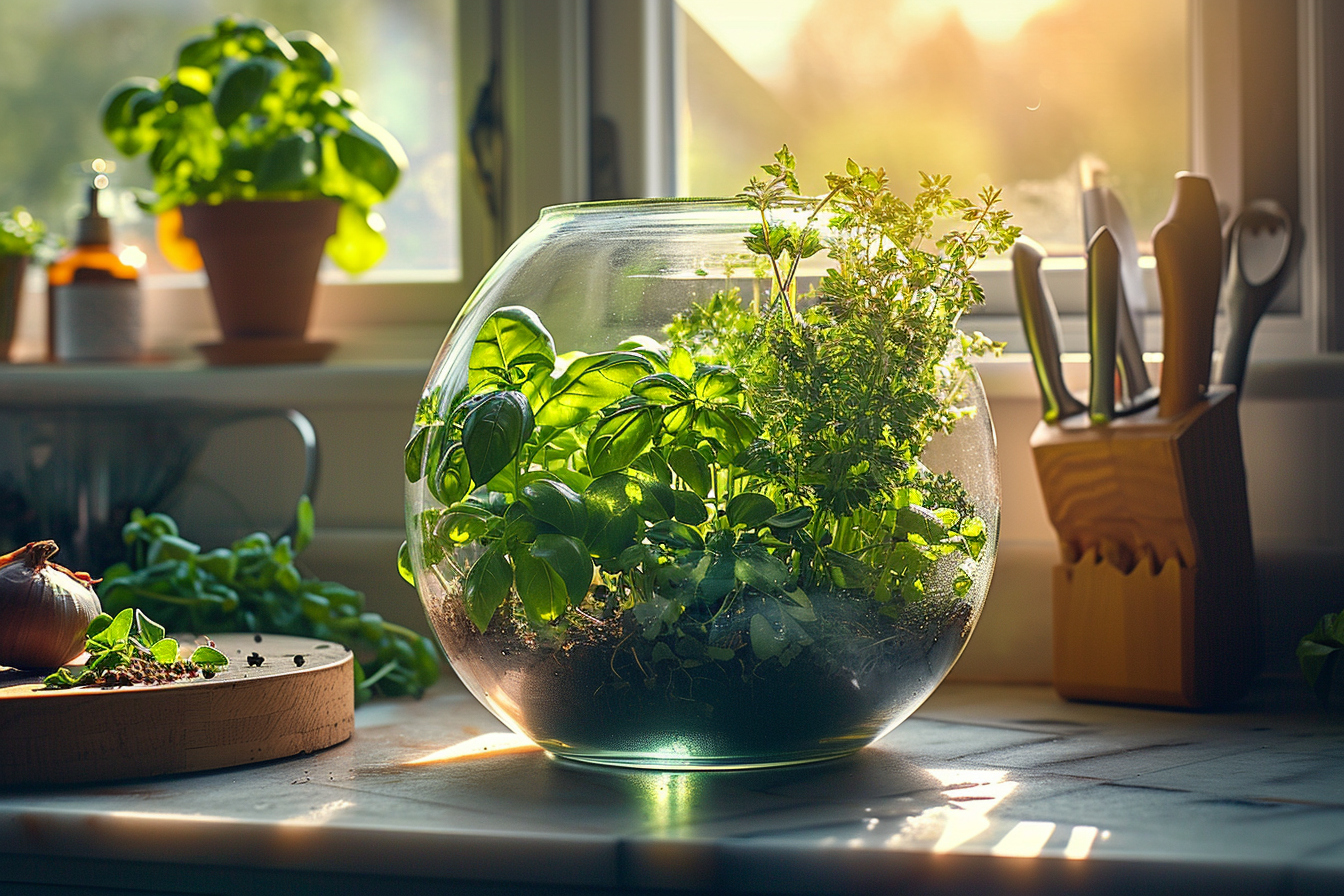
    Cultivating medicinal plants within the confines of terrariums stands as an innovative approach to harness the healing power of nature while embracing the aesthetics of miniature gardens. Terrariums, self-sustaining ecosystems encased in glass, offer a unique environment where humidity and temperature can be controlled to foster the growth of a diverse range of medicinal flora. Enthusiasts and health-conscious individuals alike take solace in these self-contained habitats that double as both decorative items and sources of natural remedies. This approach to gardening not only conserves space but also allows for year-round cultivation, independent of external climatic conditions.

    Understanding terrarium environments

    A terrarium offers a microclimate quite different from the average room environment. Its enclosed nature helps to maintain consistent humidity levels, which is beneficial for many plants, particularly those of tropical origin. Light, however, is a resource that must be carefully managed. While glass allows sunlight to enter, it can also magnify it, and thus, the placement of the terrarium is important to prevent overheating and potential damage to the plants.

    Selection of Suitable Medicinal Plants

    Choosing plants that thrive within the humid and somewhat confined space of a terrarium is essential. Some well-adapted medicinal plants for terrarium cultivation include:

    • Peppermint: Known for its digestive aids and refreshing aroma.
    • Chamomile: Famed for its calming and anti-inflammatory properties.
    • Creeping Thyme: Recognized for its antiseptic and cough-relief capabilities.
    • Lemon Balm: Cherished for its stress-relieving and antiviral qualities.

    Building the perfect terrarium for medicinal plants

    Creating a thriving environment for medicinal plants involves several crucial steps:

    Choosing the right container

    Glass containers are preferred for their transparency, but plastic can also be used if it is clear and can withstand the humid conditions. The container must be well-sealed to regulate humidity, yet it should have small openings or a way to regulate air flow to prevent mold and fungal infections.

    Layering the substrate

    The foundation of any terrarium begins with the substrate. This usually starts with a layer of stones or pebbles at the bottom for drainage, followed by a layer of activated charcoal to keep the environment fresh and free from bacterial growth. The most crucial layer is the soil, where a balanced mixture conducive to the growth of medicinal plants is necessary. The soil should be rich in organic matter yet well-draining.

    Arranging the plants

    Strategic placement is vital for accessing the plants and ensuring every plant receives adequate light. Taller plants are placed in the back, trailing species along the sides, and smaller, low-growing ones in the front, creating a visually pleasing and functional arrangement.

    Maintaining a healthy terrarium

    Monitoring humidity and temperature

    A balanced environment within the terrarium is essential to plant health. Too much humidity can lead to mold, while too little may cause the plants to dry out. A hygrometer can help in monitoring the humidity levels. Since medicinal plants often come from diverse climates, research on their native conditions can guide the optimum temperature settings.

    Controlling light exposure

    Medicinal plants require sufficient light for photosynthesis, but direct sunlight can be harmful inside a terrarium. Indirect light or artificial grow lights offer a safer alternative that can be regulated for intensity and duration.

    Watering techniques

    Terrariums typically need less frequent watering than open-air plant arrangements due to their closed systems. Using a water mister or a small watering can will allow for precise hydration without oversaturating the soil. Overwatering can be especially problematic as it leads to root rot and fungal growth.

    Trimming and pruning

    Regular pruning not only maintains the aesthetic appeal of your terrarium but also encourages the medicinal plants to grow fuller and healthier. Removing dead or yellowing leaves promptly will prevent potential spread of disease within the enclosed space.

    Addressing common cultivation challenges

    Dealing with pests

    Pests can be particularly troublesome in the humid, closed environment of a terrarium. Natural pest control methods are preferred, such as introducing beneficial insects or applying neem oil to affected plants. Vigilance and early detection are key to managing pest outbreaks.

    Managing plant diseases

    Fungi and bacteria can thrive in the moist conditions of a terrarium. Good air circulation, proper watering practices, and the use of antifungal treatments when necessary can help keep these issues at bay.

    Preventing nutrient imbalance

    As plants grow and mature, they will deplete the nutrients in the soil. Regular feeding with an organic, diluted fertilizer solution matched to the needs of the medicinal plants can help maintain a nutrient-rich environment. However, over-fertilization must be avoided to prevent harm to the delicate ecosystem.

    Propagating medicinal plants in a terrarium

    Expanding one’s collection of medicinal plants through propagation is both rewarding and economical. Techniques such as cuttings, layering, or division can be employed. Some plants will even readily self-propagate in the humid conditions of a terrarium.

    Leveraging technology for terrarium management

    Technological advancements in home gardening gadgets have introduced a convenience factor into terrarium care. Automated watering systems, grow lights with adjustable settings, and smartphone-connected monitoring devices can take much of the guesswork and labor out of maintaining optimal conditions for medicinal plant growth. Discovering the perfect balance between nature and technology can make the cultivation process more efficient and successful.

    Adaptations for special needs plants

    There will be medicinal plants that require more specialized care than the typical terrarium occupant. Some may need a dormancy period, less humidity, or different soil pH levels. Adapting terrarium conditions to meet these unique requirements is often as simple as adjusting a few variables such as ventilation, planting substrates, or duration of light exposure.

    Whether the intent is purely for their aesthetic beauty or their healing attributes, cultivating medicinal plants in terrariums provides a rewarding opportunity for gardeners and health enthusiasts. The wisdom gained through nurturing these plants is boundless, as is the potential for achieving well-being through nature’s pharmacy. By carefully selecting appropriate plant species, providing proper care, and responding promptly to the challenges encountered, gardeners can foster a miniature ecosystem that bears not just visual splendor but also the essence of vitality. As with any pursuit in botanical care, the journey of growing medicinal plants in terrariums is one of continuous learning and appreciation for the intricate balance of life.


  • Expert strategies for designing exotic succulent plant gardens: mastering the art of desert flora landscaping

    Expert strategies for designing exotic succulent plant gardens: mastering the art of desert flora landscaping

    Succulents are the crown jewels of desert flora, offering an array of shapes, colors, and textures that can transform any space into a verdant oasis. Designing a garden that showcases these exotic plants requires not merely horticultural know-how but also an artistic eye. Mastery over the subtleties of desert landscaping is a skill honed by understanding these resilient plants and the ecosystems they thrive in.

    Understanding your canvas

    Understanding your canvas

    Climate compatibility

    Succulents are renowned for their drought tolerance, but this doesn’t mean they are impervious to environmental stressors. Successful design strategies begin with selecting species that are well-suited to the local climate. Gardeners must take into account factors such as temperature extremes, humidity levels, and seasonal variations to select plants that will thrive in their specific locale.

    Soil composition and drainage

    Succulents demand soil that provides excellent drainage. Heavy, clay-like soils are often unsuitable as they retain moisture, potentially leading to root rot. Enhancing the garden bed with a mix of sand, gravel, and compost can create the ideal environment for these desert dwellers.

    Sunlight and shade dynamics

    Cognizance of the trajectory of sunlight throughout the day is essential. While many succulents favor full sun, some can become scorched by intense heat, especially in peak summer months. Strategic positioning of plants and use of shade-generating elements is key to protecting more sensitive specimens.

    Creating a cohesive design

    Visual balance and composition

    Harnessing the visual weight of succulents is a core element of design. Larger, more sculptural plants can serve as focal points around which smaller, filler plants are arranged. The interplay of different sizes and shapes should lead the eye to move across the garden harmoniously.

    Color and texture

    The palette of succulents is remarkably diverse. From the silvery-blue hues of the Echeveria to the deep purples of Aeonium, designers can craft a vibrant mosaic. Understanding how colors interact and complement each other is essential, as is the juxtaposition of varied textures. Velvety leaves of Kalanchoe can offset the glossy, almost gem-like appearance of Haworthia.

    Layering and repetition

    Employing layers within the garden provides depth and interest. A technique commonly used is to plant ground covers that creep between taller species, which adds to the fullness of the space. Repetition of certain forms and colors can also provide a rhythm that guides the viewer’s gaze, offering a sense of order and continuity.

    Selecting the right plants

    Drought-Resistant champions

    Succulents such as Agave and Sempervivum are bastions of resilience, capable of withstanding prolonged dry periods. Utilizing a mix of these hardy species ensures the garden remains robust even in less-than-ideal conditions.

    Showstopping specimens

    Some succulents are simply showstoppers. The towering inflorescence of the Agave americana or the architectural form of the Aloe polyphylla can act as a centerpiece to rally a design around. Selecting such specimens requires foresight in regards to the space they will require when they reach maturity.

    Seasonal highlights

    While many succulents remain evergreen, others offer seasonal color changes or flowering periods. Including these in the garden provides a dynamic element, with shifts in the landscape as months pass.

    Irrigation techniques

    Effective watering systems

    Although succulents are water-wise, they do require regular hydration. Drip irrigation systems can be strategically implemented to deliver water directly to the base of each plant, minimizing evaporation and ensuring each succulent receives just the amount it needs to flourish.

    Rainwater harvesting

    Incorporating rainwater harvesting systems not only benefits the environment but also provides succulents with natural water sources that are often more beneficial than tap water, which can contain salts and chlorine.

    Integrating hardscaping elements

    Natural rock and gravel

    The use of rocks and gravel is not only practical for drainage and soil composition but also aesthetically pleasing. Stones can emulate a natural desert landscape and act as a canvas for the plants to stand out against.

    Pathways and borders

    Smooth stones or wooden borders to demarcate the succulent garden can enhance the visual appeal while also serving functional purposes. Pathways enable visitors to enjoy the garden without disturbing the plants, guiding them through the landscape.

    Sculpture and art

    Artistic pieces can provide an additional layer of intrigue to the succulent garden. Whether it’s a metal sculpture that mirrors the organic forms of the succulents or a colorful mural backdrop, art can complement and elevate the overall design.

    Maintenance and care

    Pest management

    Natural pest management strategies are important to maintaining the health of the succulent garden. Encouraging predators such as ladybugs or using organic pesticides can help keep harmful pests at bay.

    Pruning and grooming

    Regular pruning not only maintains the desired shape of the plants but also promotes healthy growth. Removing damaged or dead material helps prevent disease and encourages new, vibrant growth.

    Seasonal adjustments

    As the seasons change, so might the needs of the succulent garden. Making adjustments such as providing shade during hotter months or protection from frost in colder climates is crucial to ensure the garden’s longevity.

    Engaging community and educating

    Workshops and demonstrations

    Hosting workshops or providing demonstrations on how to care for and propagate succulents can engage the local community. Sharing knowledge helps spread the appreciation for these exotic plants and educates on sustainable gardening practices.

    Garden tours

    Offering tours of the succulent garden not only showcases the exquisite design but also provides an opportunity for others to draw inspiration for their own spaces. It can serve as a platform for exchanging ideas among gardening enthusiasts.

    Sustenance through innovation

    Renewable resources in landscaping

    Embracing sustainability, the use of solar-powered lighting or repurposed materials can reduce the environmental footprint of the garden while still maintaining its aesthetic appeal.

    Biodiversity conservation

    Designing with an eye for conservation helps in supporting local ecosystems. Introducing native succulent species can contribute to the conservation of biodiversity and can invite native wildlife into the garden.

    Final thoughts

    Final thoughts

    Mastering the art of desert flora landscaping is a rewarding journey that combines deep respect for the resilience of exotic succulents with creative prowess. Engaging in this botanical craft not only results in a stunning visual spectacle but also contributes to a greater appreciation for the natural world. As the enthusiasm for exotic succulent plant gardens grows, so does the body of knowledge and expertise surrounding their cultivation. The garden is ever-evolving — a canvas perpetually in flux, showcasing the adaptability and stark beauty of these remarkable plants.

    Designed properly, an exotic succulent plant garden is not merely a collection of plants but a living sculpture. It becomes a testament to the delicate balance between art and nature, simmering with life and opening up a myriad of possibilities for green spaces both in private homes and public areas. As we delve into the strategies for the artful arrangement and care of these hardy species, we learn not just about succulents, but also about conserving our environment — one that is ever more in need of sustainable practices and a reconnection with the natural world.

    The strategies discussed pave the way for aspiring and seasoned gardeners alike to embark on their own journey, crafting serene landscapes that speak of the silent resilience of the desert — a perpetual testament to the enduring allure of the succulent plant.

  • Selecting the perfect vlogging camera: essential tips for content creators

    Selecting the perfect vlogging camera: essential tips for content creators

    Navigating the vast ocean of digital cameras can be overwhelming for content creators. Your choice of vlogging camera can either propel your content to new heights or sap the vitality from your creative endeavors. This comprehensive guide aims to distill the complex decision-making process into manageable considerations that prioritize your needs as a vlogger.

    Image quality: a top priority

    Resolution and Sensor Size: Undoubtedly, image quality sits at the pinnacle of priorities in selecting a camera. For vloggers, a camera that shoots in 4K affords a future-proofed level of detail and flexibility. However, 1080p remains a workable standard for many. The sensor size critically impacts image quality: larger sensors generally mean better low-light performance and depth of field control, making full-frame or APS-C sensors preferred choices.

    Frame Rate: Beyond static image quality, consider the frame rates. Vloggers keen on adding slow-motion effects should seek cameras offering high frame rates like 60fps or 120fps at 1080p.

    Sound: capturing the moment

    Microphone Input: A camera might deliver stunning video, but poor audio quality can thwart viewer engagement. A built-in microphone rarely suffices; hence, opt for a camera sporting a microphone jack. This allows the use of external microphones for pristine audio capture.

    Headphone Jack: Alongside a microphone input, a headphone jack to monitor audio levels in real-time can be essential for ensuring your sound is crisp, clear, and free of issues.

    Focus on autofocus

    Autofocus System: Robust autofocus ensures you remain the visual anchor in every frame. Cameras with fast and reliable autofocus, featuring face or eye-tracking capabilities, are indispensable for vloggers. This technology maintains focus on the subject, freeing you to concentrate on creating content rather than fiddling with manual settings.

    Stabilization: a steady companion

    In-body Stabilization or Optical Image Stabilization: Vlogging frequently involves movement, and image stabilization is crucial to avoid shaky footage. Cameras with in-body stabilization (IBIS) provide the freedom to shoot handheld without deterring from the viewing experience. Optical Image Stabilization (OIS) in lenses is also beneficial, especially when the camera lacks IBIS.

    Usability: workflow enhancements

    Flip Screen: The flip screen is non-negotiable for solo content creators. It allows you to frame your shots accurately while addressing the camera, ensuring you’re always in the picture.

    Weight and Size: The ideal vlogging camera is portable. A lightweight, compact design is favorable, as it reduces fatigue and makes the camera inconspicuous, facilitating on-the-go shoots.

    User Interface: A camera should enhance your workflow, not hinder it. An intuitive user interface with quick access to frequently used settings can streamline your creative process.

    Connectivity: efficiency in transfer

    Wi-Fi and Bluetooth: Modern vlogging demands social media readiness. Cameras with built-in Wi-Fi or Bluetooth allow for swift content transfer to mobile devices, enabling speedy uploads to the web.

    USB Charging: The ability to charge via USB affords convenience, especially when traveling. Cameras that support USB power delivery enable you to charge your camera with power banks, ensuring you’re always ready to roll.

    The power of battery life

    The longevity of your camera’s battery could make or break your shooting schedule. Always check the battery life specification, and consider investing in spare batteries. Cameras providing battery life information through percentage display are especially beneficial for managing shoot time.

    Compatibility: accessories and lenses

    Content creators often develop their visual style through lens choice. Verify the camera’s compatibility with a wide variety of lenses. Additionally, look at the ecosystem of accessories such as tripods, gimbals, and lighting options to ensure a future-proof investment.

    Budget: a balancing act

    Align your selection with your budget constraints. While it’s tempting to splurge for top-tier features, weigh the cost against your specific needs. Sometimes, a mid-range camera ticks all the right boxes without breaking the bank.

    Sample footage and reviews: do your homework

    Before making a purchase, study sample footage and seek out reviews by fellow vloggers. This real-world usage advice can reveal strengths and weaknesses that may not be apparent through spec sheets alone.

    Brand support and warranty

    Investigate the manufacturer’s customer support reputation and the warranty offered with the camera. Strong after-sales support ensures that your camera stays functional through the rigors of daily vlogging.

    Embrace versatility

    Embrace Versatility

    Select a camera that offers versatility. As your vlogging journey evolves, so too will your requirements. Multi-functional cameras, with features such as good low-light performance, time-lapse recording, and strong still photography capabilities, allow you to diversify your content.

    An artful compromise

    Ultimately, the perfect vlogging camera is an artful compromise tailored to individual style, needs, and aspirations. Prioritize the features that resonate most with your vlogging narrative. And remember, while technology is an enabler, content reigns supreme. Your creativity and commitment to engaging storytelling are integral to the success of your vlogging pursuits.

    Elevating your vlogging career begins with selecting the perfect camera—a beacon illuminating your path to content creation mastery. With these essential tips, you’re now equipped to make an informed decision that harmonizes technical prowess with your artistic vision.

  • Understanding yogic breathing techniques: insights and benefits for wellness

    Understanding yogic breathing techniques: insights and benefits for wellness

    The Essence of Pranayama in Yoga

    The practice of yoga transcends physical postures, diving deep into the realms of breath control, known as Pranayama. Pranayama, a Sanskrit word meaning "extension of the prāṇa or breath" or "extension of the life force," forms a core pillar of yoga. Distinct from casual breathing, yogic breathing techniques harness the ability to influence the flow of prana (life energy) throughout the body, impacting both physical and mental well-being.

    Insights into yogic breathing

    The anatomy of breath

    Yogic breathing is more than a physical act; it is an intimate engagement with the subtle channels of energy within. The diaphragm, lungs, and even the blood vessels play critical roles in this process. As one delves into yogic breathing, awareness expands from the shallow chest breathing in day-to-day life to a more profound and revitalizing diaphragmatic breathing.

    The philosophy and goals

    In yogic philosophy, breath is the intermediary between the mind and the body. Pranayama practices aim to calm the mind, prepare for meditation, and cleanse and balance the energy channels or nadis. By mastering breath control, one can regulate the emotional state, enhance concentration, and promote a deep sense of peace.

    A spectrum of techniques for diverse outcomes

    Ujjayi breath: the ocean’s whisper

    Often termed the "ocean breath," Ujjayi Pranayama is characterized by a soft hissing sound made during inhalation and exhalation. This is achieved by constricting the back of the throat, similar to the process of fogging a mirror. Ujjayi breath is a warming practice that builds internal heat and can be particularly beneficial for sustaining concentration during longer holds in asanas (yoga poses).

    Nadi shodhana: pathway purification

    Nadi Shodhana, or alternate nostril breathing, involves a rhythmic pattern of inhaling and exhaling through one nostril at a time while the other is lightly closed with the fingers. This practice has an almost immediate effect on calming the mind, reducing stress, and balancing the left and right hemispheres of the brain, promoting a state of equanimity and centeredness.

    Kapalabhati: the shining skull

    Kapalabhati Pranayama, nicknamed the "skull shining breath," involves a series of rapid, forceful exhalations followed by passive inhalations. This energetic practice invigorates the body, clears the mind, and is often credited with detoxifying the lungs and respiratory pathways.

    Bhramari: the humming bee

    Within the tranquility of Bhramari Pranayama, practitioners produce a humming sound on exhalation, reminiscent of the gentle buzz of a bee. This technique profoundly calms the nervous system, reduces stress, and can even have therapeutic effects on the thyroid gland due to the vibrations caused in the throat.

    Embarking on the pranayama journey

    As with any profound discipline, the nuances of Pranayama require a thoughtful approach. Beginners are encouraged to start with guidance from a seasoned instructor, ensuring correct technique and avoiding potential contraindications.

    Setting the scene

    A peaceful environment augments the Pranayama experience. Choose a quiet, airy space with comfortable seating. Seated postures such as Sukhasana (Easy Pose), Vajrasana (Thunderbolt Pose), or even sitting on a chair with a straight spine are ideal for Pranayama practice.

    Integration with asana practice

    Yogic breathing can also be woven seamlessly into the fabric of asana practice. Breath acts as an anchor in each movement, creating a flow that is both rhythmic and meditative. Mastery of breath control during asana practice enhances the benefits of the poses and deepens the overall yogic experience.

    The multifaceted benefits of yogic breathing

    Physiological enhancements

    Yogic breathing is a potent tool for improving respiratory function, increasing oxygenation of the blood, and boosting vitality. The techniques can also have a positive impact on heart rate variability, a marker of cardiovascular health and autonomic nervous system balance.

    Psychological well-being

    Stress and anxiety are ever-present in modern life, and Pranayama offers a sanctuary of relief. These intentional breathing practices trigger a relaxation response, mitigating the insidious effects of the stress hormone cortisol. The result is a refreshed mind, clarity of thought, and an inherent resilience against the strains of daily life.

    Spiritual connection

    Beyond the tangible, Pranayama is a vehicle for enhancing spiritual awareness and connection. The subtle control and manipulation of prana are believed to awaken dormant energies within, leading toward higher states of consciousness and spiritual enlightenment.

    Advancing in pranayama practice

    With patience and consistency, the depth of Pranayama can be quite extraordinary. Advancements in practice may include longer durations of breath retention, incorporation of bandhas (energy locks), and exploration of less common techniques. Each step forward offers an opportunity for a richer understanding of the self and a more intimate connection with the breath.

    Continuous pathway to inner tranquility

    Yogic breathing stands as a timeless testimony to the symbiosis between the body and the mind, highlighting breath as the most essential and potent link. As practitioners breathe with intention and awareness, they embark on a continuous journey toward equilibrium, vitality, and inner tranquility.

    Through the mastery of Pranayama, one encounters a deeper sense of self, an impenetrable calm, and enduring wellness. The path of yogic breathing is infinite; each breath is a step towards a more harmonious existence, a more profound understanding of life’s rhythms, and an unwavering state of peace. With consistent practice, these ancient techniques of breath shape not only our physical health but also sculpt our mental landscape, leading to a life expressed with more depth, meaning, and serenity.

  • Mastering craftsmanship: your comprehensive tutorial on how to learn bamboo sculpture

    Mastering craftsmanship: your comprehensive tutorial on how to learn bamboo sculpture

    Bamboo sculpture stands as an art form deeply rooted in cultural heritage, showcasing the profound dexterity required in transforming a simple plant into intricate artwork. Revered for both its ecological sustainability and its strength, bamboo provides a unique medium for artists to express their creativity. Branching out into bamboo sculpture can be a rewarding endeavor for anyone passionate about craftsmanship.

    Understanding bamboo as a material

    The properties of bamboo

    Bamboo possesses characteristics that make it an ideal resource for sculptors. Its tensile strength rivals that of many metals, and it boasts a flexibility that permits various shapes and forms. Furthermore, bamboo’s rapid growth and abundance ensure it is a continuously available material that is also kind to the environment.

    Selecting the right bamboo

    Choosing the correct type of bamboo influences the sculpting process and the final result. Various species of bamboo differ in hardness, density, and color. Beginning with a species that is easier to work with can enhance the learning experience for novices in this craft.

    Preparing your workspace

    Essential tools and equipment

    Before delving into the art of bamboo sculpture, it is paramount to prepare a work area with all the necessary tools. These tools may range from specialized bamboo carving knives to more common implements like saws, chisels, and sandpaper. Keeping your tools sharp is also vital for precision and safety during the sculpting process.

    Safety considerations

    Ensuring a safe workspace is indispensable. Sculptors should always wear protective gear, such as gloves and eye protection, to prevent injuries. Adequate ventilation is another important factor to bear in mind, as working with bamboo can generate fine dust particles.

    Fundamental bamboo sculpting techniques

    Understanding the grain

    Grasping the concept of the grain is critical for sculpting bamboo. The grain direction influences how bamboo will split and where it can be most effectively carved. Ignoring the grain can lead to unwanted splitting or difficulty in achieving the desired shape.

    Carving basics

    Carving bamboo requires a combination of strength, precision, and patience. Start with simple cuts, learning how to remove material without compromising the bamboo’s integrity. As you progress, you can attempt more complex techniques like in-the-round carving, where the sculpture is dimensional from all views.

    Shaping and forming

    Shaping bamboo may involve techniques such as steaming or soaking, which make the material more pliable. Learning these methods allows for the creation of sweeping curves and elegant forms that are synonymous with the art of bamboo sculpture.

    Designing your sculpture

    Designing your sculpture

    Inspiration and drafting

    Creativity in bamboo sculpture is limitless. Finding inspiration in nature, architecture, or even everyday objects can help you draft a preliminary design. Sketching your ideas beforehand not only aids in envisioning the final piece but also helps in planning the carving process.

    Scale and proportion

    Grasping scale and proportion is essential when conceptualizing a sculpture. Every dimension must contribute harmoniously to the total composition. A bamboo sculpture with well-considered proportions can achieve a balance that is both visually appealing and structurally sound.

    Advanced techniques and considerations

    Joinery and assembly

    As skills mature, sculptors often tackle projects that require multiple pieces of bamboo. Mastering joinery techniques is critical in this phase. Joinery can range from simple lashings with cord to more sophisticated methods such as doweling or the creation of custom bamboo pegs.

    Surface treatment and finishing

    The final steps in bamboo sculpture involve surface treatment and finishing techniques. These can include sanding to achieve a smooth surface, applying oils or stains to enhance the bamboo’s natural color, and sealing the sculpture to protect it from environmental factors.

    Aesthetic enhancements

    Intricate details can be added to a bamboo sculpture through burning techniques such as pyrography, which can bring texture and depth to the piece. Experimenting with different finishes or incorporating other materials can also elevate the aesthetic quality of your work.

    Overcoming challenges in bamboo sculpture

    Challenges in bamboo sculpture are inevitable but surmountable with the right approach. Understanding the common issues such as cracking or splitting and developing strategies to address them is part of the learning curve. Finding solutions often involves research, experimentation, and engagement with the sculpting community to learn from others’ experiences.

    The cultural significance of bamboo sculpture

    The cultural significance of bamboo sculpture

    Historical perspective

    Bamboo has a storied history in the arts, particularly in Asia where it has been utilized for centuries in everything from functional items to elaborate works of art. Recognizing the historical importance of bamboo and its cultural significance can enrich the creation process and provide a deeper connection to the art form.

    Contemporary bamboo art

    The world of bamboo sculpture is not static; contemporary artists continue to push the boundaries of what can be achieved with this versatile material. Observing and analyzing the work of pioneering bamboo sculptors can inspire your own practice and open up new avenues for creative expression.

    Learning resources and opportunities

    Workshops and classes

    For those serious about mastering bamboo sculpture, attending workshops or taking classes taught by skilled instructors can be immensely beneficial. These educational environments not only provide hands-on learning but also a space to connect with like-minded individuals.

    Books and online tutorials

    A wealth of knowledge exists in books dedicated to bamboo crafts, as well as online tutorials which are often free and easily accessible. These resources complement the hands-on experience and can provide guidance at every stage of your sculpting journey.

    Apprenticeship and mentorship

    Seeking an apprenticeship or finding a mentor in the field of bamboo sculpture can provide invaluable insights. The guidance from an experienced sculptor can accelerate your learning process and help you avoid common pitfalls.

    Joining the sculpture community

    Forums and online communities

    Tapping into online forums and communities allows for the exchange of ideas, advice, and feedback on your work. These communities can be supportive environments that encourage growth and development in the craft.

    Exhibitions and competitions

    Participating in exhibitions and competitions can offer a different perspective on your work through public exposure. It can also lead to networking opportunities with fellow artists and connoisseurs.

    Selling and marketing your work

    As skills improve, you might consider selling your bamboo sculptures. Understanding the market, identifying your unique style, and effectively marketing your work are essential elements for commercial success.

    Continuous improvement and innovation

    Reflecting on your work

    Reflecting on one’s progression is germane to continuous improvement in bamboo sculpture. Assessing what you have learned from each project and setting new challenges for yourself keeps the learning process dynamic.

    Pushing creative boundaries

    The landscape of bamboo sculpture is constantly evolving as artists explore new techniques and conceptual ideas. Being part of this creative expansion requires openness to experimentation and a willingness to push the boundaries of traditional bamboo craftsmanship.

    As this narrative reaches its present limit, remember that the journey into bamboo sculpture is not merely about mastering a skill but also about embracing an art form that is synonymous with cultural identity, environmental consciousness, and creative expression. Your path to becoming adept in bamboo sculpture is as intricate and enriching as the art itself. Keep forging ahead, with persistence and a passion for learning. The mastery of bamboo sculpture is an ongoing process—a craft where the pursuit of knowledge never truly ends, but rather evolves with each curved line and shaped silhouette.

  • Unveiling the harmony: a comprehensive exploration of infos sur les pratiques de méditation avec chants védiques

    Unveiling the harmony: a comprehensive exploration of infos sur les pratiques de méditation avec chants védiques

    The realm of meditation is vast and varied, with practices that span across different cultures, each offering unique pathways to tranquility and self-discovery. Among these myriad forms, the practice of meditation with Vedic chanting, or mantra meditation, stands out as a profound means of connecting with the self and the universe. Derived from ancient Indian scriptures known as the Vedas, Vedic chanting is interwoven with the history and spiritual fabric of yoga and meditation practices.

    The vedic tradition and its chants

    What Are Vedic Chants?

    Vedic chants are a collection of mantras that have been recited and preserved with impeccable precision for thousands of years. These mantras comprise syllables, words, phrases, and hymns that are believed to have been revealed to the ancient sages or rishis in deep states of meditation. As a result, they are considered not merely as written texts but rather as sacred sounds that carry a vibration with the potential to promote healing and spiritual growth.

    The Role of Sound in Vedic Philosophy

    In the Vedic tradition, sound plays a central role. The concept of Nada Brahman suggests that the universe began with sound, which is the essence of the divine. Therefore, Vedic chanting is more than a simple act of vocalization; it’s an engagement with the fundamental frequencies that constitute existence.

    Preservation of the Chants

    The chants have been preserved through an oral tradition called Guru-Shishya Parampara—the relationship between teacher and disciple. This unbroken lineage ensures that the precision in pronunciation and intonation is maintained, which is critical because the efficacy of a Vedic mantra is believed to depend on the correct articulation of its sounds.

    Meditation with vedic chants

    The Nature of Mantra Meditation

    Meditation with Vedic chants involves the repetitive recitation of mantras. A mantra can be a single syllable, like "Om," or a series of syllables with profound meaning. The repetition of these mantras, either aloud or silently, is presumed to deepen the meditative state by providing a point of focus and facilitating the flow of energy within the practitioner’s body.

    Scientific Perspective on Chanting and Brain Function

    From a scientific viewpoint, research on the neural effects of chanting suggests that it can trigger the relaxation response, reducing stress and enhancing overall well-being. When a mantra is chanted, it can stimulate the vagus nerve, which has a parasympathetic calming effect on the body and mind.

    Cultivating a Practice with Vedic Chants

    To cultivate a meditation practice with Vedic chants, one should ideally seek guidance from a knowledgeable teacher who is rooted in the Vedic tradition. The teacher can instruct on proper pronunciation and the selection of mantras that resonate with the individual’s intentions or needs.

    Integration with Yoga

    Often, practitioners integrate Vedic chanting into their yoga practice. This combination can be particularly profound, as the physical postures of yoga (asanas) pair with the audible vibrations of the mantras to create a harmonious flow of energy, a symphony of body and sound.

    The benefits of meditation with vedic chants

    Physical Health Improvements

    Regular practice of meditation with Vedic chanting is associated with several health benefits. These include a strengthened immune system, lowered blood pressure, and enhanced cardiovascular health. The rhythmic chanting can also improve pulmonary function by promoting controlled breathing, which is essential for conditions like asthma.

    Mental and Emotional Well-being

    Emotionally and mentally, the practice can lead to increased clarity of mind, better concentration, reduced anxiety, and lessened symptoms of depression. By focusing the mind on the chant, meditators often report experiencing a release from the relentless cycle of thoughts and worries that plague the mind.

    Deepened Spiritual Connection

    For those on a spiritual path, Vedic chanting serves as a bridge to the higher self. By aligning with the vibrational essence of the mantras, practitioners often describe a sensation of connectedness with the universe and a deepening of their inner peace.

    Insight into specific vedic mantras

    Om or Aum

    Om is perhaps the most renowned of all Vedic mantras. It is considered the primordial sound and is often chanted at the beginning and end of meditation and yoga sessions. The chanting of Om is believed to create a vibrational link with the universe’s cosmic energy.

    Gayatri Mantra

    The Gayatri Mantra is another pivotal chant that seeks illumination of the mind and is said to have the power to bestow wisdom and knowledge. It is often recited at dawn, noon, and dusk to align oneself with the rhythm of the day and the light of consciousness.

    Mahamrityunjaya Mantra

    The Mahamrityunjaya Mantra is meant for healing and rejuvenation. It is said to fortify the body and soul against fear, sickness, and death. It harnesses the energy of Shiva, the aspect of the divine that is both destroyer and healer.

    Methodologies of chanting

    Methodologies of chanting

    Japa Meditation

    One methodology of engaging with mantras is Japa meditation, which involves the repetitive recitation of a mantra using a string of beads, or mala, to keep count. This tactile component adds another layer of focus, allowing the mind to remain anchored to the practice.

    Group Chanting

    While individual practice is powerful, group chanting amplifies the experience through collective energy. Synchronized chanting in a community setting, known as satsang, can create a resonant field of shared intention and heightened spiritual atmosphere.

    Melodic Chanting

    Chanting can also be melodic, involving established tunes and musical arrangements that align with the traditional intonation patterns of the mantras. This form is not just aesthetically pleasing but can induce a deeply meditative state through the beauty of the sounds.

    Potential challenges and overcoming them

    Language and Pronunciation Barriers

    A primary challenge in adopting Vedic chanting practices is the language barrier, as the mantras are in Sanskrit. However, with diligent practice and expert guidance, one can learn the nuances of pronunciation and intonation.

    Consistency and Discipline

    Like any meditative practice, regular engagement is necessary to experience profound benefits. Discipline is key, and even a few minutes of daily chanting can make significant differences in one’s spiritual journey.

    Closing thoughts

    While the exploration of meditation with Vedic chanting is comprehensive, it is also inexhaustible. Each chant carries within it layers of meaning and vibrational potentials that can only be fully known through experiential practice. The journey of integrating these ancient sounds into modern life continues to offer seekers a path to inner harmony—a harmony that resonates with the essence of the universe itself.

    The Call to Dive Deeper

    Meditation with Vedic chanting invites those who venture into its depths to experience not just the tranquility of mind, but also the uncovering of hidden dimensions within themselves. It conjures an allure that beckons the curious and the spiritual alike to dive deeper, to chant more fervently, and to uncover the secrets held within these ancient syllables.

  • Mastering the selection process: criteria for how to choose a saz

    Mastering the selection process: criteria for how to choose a saz

    Introduction to the saz

    The saz, a stringed musical instrument, is an integral part of the traditional music of the Middle East, particularly in Turkey, Iran, and the surrounding regions. Its distinctive sounds carry the cultural heritage of these areas and the intricate melodies it can produce, resonate deeply with many music enthusiasts. Choosing a saz is an intricate process that requires attention to detail and a deep understanding of the instrument’s characteristics. This guide delves into the criteria that should be considered when selecting a saz to ensure musicians, be they novice or professional, acquire an instrument well-suited to their needs.

    Understanding the types of saz

    Before making a decision, one should be familiar with the different types of saz. The sizes and shapes vary significantly, and this will influence the sound, playability, and suitability for each musician’s specific needs. The most common variations include the Cura, the smallest in size, ideal for higher-pitched tunes, the Baglama, the most popular medium-sized saz, and the Divan, a larger saz known for its deep tones.

    Key Considerations in Selecting a Saz

    Selecting a saz is more than just choosing a musical instrument; it’s about finding a companion for musical expression. Individuals must consider an array of factors to make an informed selection.

    Craftsmanship and materials

    The quality of craftsmanship is pivotal in selecting a saz. An expertly crafted saz not only looks beautiful but also ensures durability and excellent sound quality. Woods such as mahogany, maple, walnut, and mulberry are commonly used in saz construction and each offers a unique tonal property.

    Bowls and Soundboards: The bowl’s material and shape profoundly impact the resonating qualities of the instrument. The soundboard, typically made from spruce or cedar, is crucial for its ability to transfer the vibrations and enhance the richness of the sound.

    Neck and Fingerboard: The neck’s rigidity and the fingerboard’s smoothness facilitate ease of play and contribute to the instrument’s overall tonality.

    Tuning Pegs and Strings: High-quality tuning pegs ensure the saz stays in tune, while the strings’ material significantly affects the sound’s brightness and lifespan.

    Size and playability

    Understanding Scale Length: The length between the nut and the bridge, known as the scale length, is responsible for the pitch and tension of the strings. A longer scale produces deeper tones, whereas a shorter one enables higher pitches.

    Assessing Tension and Action: The string tension and the action, or the distance between the strings and the fingerboard, must be comfortable for the player’s hands. This affects the ease with which a player can perform intricate finger techniques essential to saz music.

    Evaluating Comfort and Ergonomics: The saz should fit comfortably when held and played. Its weight distribution and the player’s ability to access the full range of the fingerboard without strain are substantial factors.

    Sound quality and resonance

    The saz’s resonance and sustains largely determine its sound quality. A well-built saz will have a clear, continuous sound with a warm, woody tone.

    Identifying the Saz’s Voice: Each saz possesses a unique voice characterized by its timbre and overtones. Listening to various instruments can help distinguish these subtle differences and identify which voice resonates with the player’s preferences.

    Inspecting the Dynamic Range: A superior saz should offer a vast dynamic range, allowing the musician to expressively modulate between soft and loud passages.

    Analyzing the Clarity of Notes: Crisp and precise notes, free from buzzing or muting, are indicative of a saz that has been properly constructed and well-set-up.

    Aesthetics and personal taste

    Aesthetics play a role in the selection of a saz, touching on the musician’s personal connection with the instrument. Intricate inlays, carvings, and other decorative elements can make the instrument unique and appealing on a personal level.

    Considering Visual Appeal: An instrument that is visually appealing can inspire the musician and foster a deeper bond with the instrument.

    Individual Preferences in Style: Traditional versus modern, plain versus ornate—personal style preferences should align with the instrument’s appearance to ensure a satisfying choice.

    Cultural authenticity and traditional construction

    The Importance of Heritage: For many, the saz is not merely an instrument but a representation of cultural identity. Therefore, selecting a saz that embodies traditional craftsmanship can be a way to preserve and honor cultural heritage.

    Traditional Techniques and Materials: Opting for a saz made with traditional techniques and materials can ensure an authentic sound and playing experience that is reflective of the instrument’s rich history.

    Where to purchase a saz

    Choosing where to buy a saz is as crucial as the selection criteria. Whether opting for an in-person purchase at a specialty music store or considering reputable online dealers, the source can influence the availability of quality options and access to expert advice.

    In-Person shop visits

    Advantages of Physical Examination: Visiting a shop in person allows for a hands-on evaluation. Feeling the instrument, hearing its sound, and assessing its ergonomics can only be experienced firsthand.

    Interaction with Specialists: Speaking directly with knowledgeable staff can provide invaluable insights into the selection process. They can advise on the particularities of each instrument and assist in finding the perfect match.

    Online purchases

    Broader Selection: Online platforms often offer a wider range of instruments, giving buyers access to diverse options they might not find locally.

    Considerations for Online Buying: Detailed descriptions, high-quality images, and customer reviews aid in evaluating an instrument’s quality. However, the inability to physically inspect the saz before buying is a trade-off to consider.

    Final steps in choosing a saz

    Final steps in choosing a saz

    Professional setup

    A professional setup is strongly recommended post-purchase. Adjusting the action, fine-tuning the bridge, and ensuring optimal string tension are tasks best handled by experienced luthiers.

    Benefits of a Professional Setup: A professional setup can transform a good saz into an exceptional one by optimizing it for the best possible sound and playability.

    Post-Purchase care and maintenance

    An ongoing commitment to the care and maintenance of the saz will prolong its life and preserve its sound quality.

    Cleaning and Storage: Proper cleaning after use and safe storage in a case with appropriate humidity levels are essential practices.

    Regular String Changes: Regular string changes and attention to the saz’s wood and varnish will keep it in top condition.

    Monitoring for Repairs: Being vigilant for any signs of wear or damage can prevent small issues from becoming major concerns.

    A journey worth taking

    Choosing a saz is a journey that leads to a deeper connection with the instrument and its cultural roots. The thoughtful consideration of craftsmanship, materials, playability, sound quality, aesthetics, and culture will ultimately guide individuals to the instrument that complements their musical voice and style.

    The saz selection process is an opportunity to embrace the nuances of traditional music-making. Aspiring saz players are invited to immerse themselves in the experience, seeking an instrument that not only portrays their musical aspirations but also becomes an extension of their creative expression. Step by step, the process of selection unveils the beauty and complexity that lies within each saz, offering a transformative experience for those who undertake this musical quest.

  • Selecting the perfect saxophone: essential tips for musicians

    Selecting the perfect saxophone: essential tips for musicians

    The saxophone stands as an emblem of jazz and soul, luring aspiring musicians with its seductive curves and sonorous charm. Whether your passion draws you towards the guttural lows of the baritone or the piercing highs of the soprano, acquiring the perfect saxophone is a nuanced task that demands thoughtful consideration. This article offers a constellation of essential tips to guide musicians through the delicate process of selecting the right saxophone.

    Understanding different saxophone types

    What is your musical voice? This question is seminal in choosing a saxophone, as each type presents a unique timbral palette that befits specific musical styles and personal preferences.

    The soprano saxophone

    Characterized by its higher register and straight shape, the soprano saxophone challenges with its need for precise intonation but rewards with its bright and penetrating sound. It’s a leading choice for those who wish to pierce through ensembles or play intricate solos.

    The alto saxophone

    A favorite among beginners and jazz aficionados alike, the alto saxophone offers a middle ground in terms of size, range, and ease of play. Its versatile voice is warm yet assertive, suitable for a wide spectrum of musical settings.

    The tenor saxophone

    Rich and robust, the tenor saxophone’s voice resonates deep within the listener’s core. It stands as the iconic image of the saxophone family and strikes a balance between the alto’s agility and the baritone’s depth.

    The baritone saxophone

    The baritone saxophone demands presence, both physically and sonically. With its low and resonant growls, it lays the foundation of harmony and rhythm in ensemble settings. This beast of an instrument, however, might be daunting for the uninitiated or those of smaller stature.

    Key factors to consider when buying a saxophone

    When the spotlight falls on the myriad stations that lead to the acquisition of a saxophone, each gleams with its importance. Let’s illuminate some of the critical aspects to consider:

    Experience level

    Match the saxophone to your experience. Beginners often benefit from alto saxophones due to their manageable size and easier playing mechanics. Conversely, professionals might opt for higher-quality materials and intricate key designs that cater to advanced techniques.

    Sound and intonation

    Strongly visualize the sound you wish to produce. Each saxophone model outputs a slightly different tonal quality. It is essential to play or listen to various instruments to find the one that resonates with your artistic intentions.

    Build quality and materials

    Construction is king, with better materials promising longevity and improved sound quality. While student saxophones often use more affordable brass, professionals might seek out saxophones with sterling silver or bronze bodies for their nuanced tonal attributes.

    Ergonomics and playability

    Comfort and ergonomics are non-negotiable. A saxophone should feel like an extension of oneself, with keys that align naturally to your fingers. Weight and balance also play pivotal roles, as they can significantly impact your stamina and comfort during extended playing.

    Brand and model

    Reputation matters, but it should not overshadow personal fit. Brands like Selmer, Yamaha, and Yanagisawa have a storied history, yet even within these reputable names, models vary greatly. Opt for a brand and model that aligns with your playstyle and aesthetic predilections.

    Price point

    Budgetary constraints are a tangible reality for many, but shrewd investments in a saxophone can yield dividends in musical satisfaction and performance quality. Weigh price against your dedication to the instrument and potential for growth. Sometimes, spending slightly more upfront can avert future costs associated with upgrades or repairs.

    The nuance of saxophone accessories

    The Nuance of Saxophone Accessories

    Beyond the saxophone itself, a panoply of accessories can alter and refine your playing experience.

    mouthpieces

    The mouthpiece serves as the conduit of your breath and intent, with its shape and material greatly impacting your sound. Experiment with different types to find the one that offers optimal control and tonal quality.

    reeds

    Subtle yet significant, the reed speaks volumes in the voice of your saxophone. Strength and cut matter immensely — beginners may start with softer reeds for easier sound production, while professionals might seek out specific brands and styles for that quintessential, quality vibration.

    Ligatures and neck straps

    Often overlooked, ligatures affect the reed’s vibration and thereby the overall sound. Similarly, a comfortable and supportive neck strap is essential for maintaining proper posture and reducing fatigue during performance.

    cases

    The safety of your instrument is paramount. High-quality cases offer robust protection and ease of transportation — crucial for those who travel or attend regular gigs.

    Where to purchase your saxophone

    Deciding on the haven of purchase is as critical as the instrument itself.

    Local music stores

    Shopping at local music stores has the advantage of direct interaction. Here, you can glean expert advice, test different saxophones, and negotiate terms such as warranties or return policies.

    Online retailers

    The digital marketplace offers broader selections and competitive pricing. When purchasing online, ensure that you buy from reputable sellers with transparent customer reviews and secure return policies.

  • Mastering the waves: a beginner’s comprehensive approach to ‘comment débuter en skimboard’

    Mastering the waves: a beginner’s comprehensive approach to ‘comment débuter en skimboard’

    Skimboarding is a thrilling watersport that bridges the gap between surfing and skateboarding. The sport involves gliding across the water’s surface on a flat board to ride incoming waves back to shore, or to perform a range of tricks on the shoreline’s thin film of water. For beginners eager to join the world of skimboarding, mastering the fundamentals is essential to success and enjoyment in this dynamic activity.

    Skimboarding equipment

    Choosing the right skimboard

    Before riding the waves, selecting an appropriate skimboard is fundamental. There are various types of boards available based on the rider’s weight, height, and skill level. Most beginner boards are made from wood, which is both affordable and durable, making it ideal for newcomers to practice and hone their skills. As proficiency develops, many gravitate towards lighter and more responsive fiberglass or carbon fiber boards.

    When choosing a board, consider size and shape. For instance, a larger board will provide more floatation and stability, which is beneficial when learning the basics. Meanwhile, the shape affects how the board will perform on the waves. Some boards have pointed noses, tailored for wave riding, and others have more rounded noses suitable for flatland tricks.

    Wax and traction pads

    Maintaining a firm grip on the board is crucial. Skimboard wax or traction pads can be applied to achieve this. The wax is rubbed onto the board to prevent slipping, similar to surfboards. Traction pads offer the same result with the added benefit of providing a cushioned area for your feet.

    Getting started with skimboarding

    Understanding your environment

    Knowledge of the skimboarding environment is just as essential as physical preparation. Studying the beach and the waves provides insight into the best spots for skimboarding. Favorable conditions typically include a smooth shoreline with a thin layer of water and consistent, small waves. It is also vital to be aware of and respect local wildlife and environmental regulations.

    Safety precautions

    Safety is paramount. Wearing the proper gear, such as a good quality rashguard and board shorts, not only provides comfort but also protection from the sun and sand. Additionally, consider a helmet and impact vest for added safety, especially in areas with rocky shorelines or during rough wave conditions. Always check the weather and wave forecasts and avoid skimboarding during dangerous conditions.

    Skimboarding techniques

    Board control

    Controlling the board is a skill that requires time and practice. Start by practicing on the sand, away from the water, to get a feel for the board. The stance is similar to that of skateboarding; with feet positioned shoulder-width apart and knees slightly bent.

    Basic maneuvers

    The one-step drop

    The one-step drop technique is fundamental in skimboarding. This involves holding the board out, taking a step forward, and dropping the board onto the shallow water while keeping it parallel with the surface. Timing and placement are crucial as the board must be released smoothly onto the water to maintain glide.

    Board mounting

    After mastering the drop, learn to mount the board by taking a smooth step onto the board’s back, followed by placing the front foot on. Coordination and balance are essential here to prevent falls and ensure a seamless transition onto the board.

    Turning and carving

    Turning and carving come next and are executed by shifting your weight and adjusting your body position. Leaning into the turn will carve the board into a smooth arc, and with practice, these maneuvers will become fluid and controlled.

    Riding waves

    The ultimate goal of many skimboarders is riding waves. Begin by selecting small, white-water waves before progressing to more significant, unbroken ones. Position yourself so that you glide out to meet the wave as it breaks near the shoreline before turning sharply and riding it back to the beach.

    Advanced skimboarding techniques

    Advanced skimboarding techniques

    360 degrees turn

    The 360 degrees turn, or ‘spin’, is a fundamental trick in skimboarding. It’s completed by rotating your body and board in a full circle while gliding along the water. This maneuver requires a deft touch and proper weight distribution to avoid losing speed and sinking.

    Ollies and shuv-its

    For a more skateboarding-inspired experience, tricks like ollies and shuv-its are the next step. These involve popping the board off the water and spinning it beneath your feet. These tricks demand precision and timing, and mastering them opens the door to more complex and rewarding maneuvers.

    Reading the waves

    Wave dynamics

    Understanding wave dynamics is an integral part of advancing in skimboarding. Each wave carries its own set of characteristics – size, shape, speed, and the angle of approach all matter. By learning to read these features, you can anticipate the wave’s behavior and adjust your strategy accordingly.

    Positioning for wave riding

    Positioning is about choosing the right wave and launching at the right moment. Watch for waves that offer the best shape for a long, smooth ride and time your launch to match the wave’s pace as it rolls towards the shore.

    Physical conditioning and balance

    Physical conditioning and balance

    Strength and endurance

    Physical fitness plays a significant role in skimboarding success. Building strength and endurance enables longer sessions on the water and better control over the board. Exercises like squats, lunges, and core workouts are beneficial for building the necessary muscles.

    Balance training

    Balance is another pivotal aspect. Activities like yoga or using a balance board can dramatically improve your ability to stay upright and maneuver the skimboard. The better your balance, the more control you’ll have, especially when executing advanced maneuvers or riding waves.

    Practice and patience

    Practice is the cornerstone of skimboarding. No wave, turn, or trick can be conquered without repetition and commitment. Each session helps build muscle memory and improve technique.

    Analyzing mistakes

    A critical but often overlooked component of practicing is analyzing and learning from mistakes. Understanding why a fall occurred or why a wave wasn’t caught is crucial to improvement. Video analysis can be a powerful tool in this regard, providing the ability to review and adjust your form and decision-making.

    Seeking advice and community

    Engaging with the skimboarding community and seeking advice from seasoned riders accelerates the learning curve. Local clubs, online forums, and professional courses offer a wealth of knowledge and camaraderie. Learning from others’ experiences and insights can prove invaluable.

    Consistency and environment diversification

    Remaining consistent in practice and exposing yourself to various environmental conditions refines your adaptability and skills. Challenge yourself by tackling different beaches, waves, and weather conditions. This variety ensures a well-rounded skill set and prepares you for any situation you might encounter on the water.

    Environmental awareness and ethics

    Respect for the beach and marine life

    If the beach sustains us as skimboarders, it’s our duty to protect and respect it. Beyond enjoying the sport, being conscious of our impact on the environment and marine life ensures the sustainability of skimboarding for future generations. Adopt practices such as leaving no trash behind, being cautious around marine wildlife, and advocating for the preservation of our beaches.

    Engagement in beach cleanups

    Participating in or organizing beach cleanups is a constructive way to give back to the community and contribute to environmental preservation. It also represents a prime opportunity to bond with fellow skimboarders and reinforce the collective responsibility towards our skimboarding arenas.

    Mastering the waves through skimboarding is a dynamic and gratifying pursuit. From the initial choice of equipment to the advanced mastery of wave riding, each step builds upon the last, creating a rich and profound journey along this fascinating watersport’s spectrum. The path to skimboarding proficiency is laden with challenges and opportunities for growth. With dedication, practice, and an unwavering commitment to learning, newcomers to the skimboarding community can look forward to mastering the shoreline and waves with confidence and style. The adventure is just beginning, and the waves are calling.

  • Mastering melody: essential tips on how to choose an electric sitar for your musical journey

    Mastering melody: essential tips on how to choose an electric sitar for your musical journey

    The electric sitar, a modern twist on the traditional Indian string instrument, has secured a unique place in the world of music, capturing the fascination of musicians and music enthusiasts alike. Though it’s steeped in the rich tapestry of classical Indian music, the electric sitar’s allure has transcended cultural boundaries, making it a staple in various genres including rock, pop, and jazz. As we seek to decode the mystique of this instrument, we’ll delve into the essential considerations that musicians must weigh when selecting an electric sitar, ensuring that it resonates with their artistic intentions and complements their musical journey.

    Understanding the electric sitar

    Before venturing into the selection process, it is imperative to grasp what an electric sitar is and how it differs from its acoustic predecessor. The electric sitar is an adapted version of the classical sitar, amplified through pickups similar to those found in electric guitars. Unlike the traditional sitar, which relies on an acoustic body for resonance, the electric counterpart can connect to sound systems for live performances and recording sessions, thus widening its appeal among diverse musical circles.

    Sound quality: the soul of the sitar

    The cornerstone of any musical instrument is its sound quality, and the electric sitar is no exception. When selecting an electric sitar, musicians should prioritize how well the instrument emulates the authentic sitar tone. The twang and buzz, signature to the traditional sitar sound, should be evident in its electric variant. Additionally, exploring the tonal range and seeing if it complements one’s style of music is vital. The electric sitar should offer a palette of sonic options, from crisp, clean notes to more distorted, experimental tones.

    Pickup configuration

    The pickup, a critical component in any electric instrument, greatly influences the sitar’s sound. When choosing an electric sitar, one must examine the pickup configurations available. Some models come equipped with single-coil pickups, offering a bright and sharp tone, while others may feature humbucker pickups, known for their thicker sound and resistance to interference.

    Tone adjustability

    Another key consideration is tone adjustability. Musicians should opt for electric sitars that provide comprehensive tone controls, allowing them to fine-tune the instrument’s sound to their personal preferences and the requirements of different musical genres. The availability of tone knobs, switches, and equalizer settings can profoundly affect the sitar’s versatility.

    Playability: the interface with the instrument

    The ease with which a musician interacts with their instrument forms the crux of the musical expression. As such, the playability of the electric sitar is a dimension that cannot be overlooked. Features such as the neck’s shape, the action of the strings, and the weight of the instrument collectively contribute to the overall playing experience.

    Neck comfort

    A comfortable neck is a prerequisite for any stringed instrument. An electric sitar with an ergonomic neck design will accommodate extended play without causing strain. Musicians must consider the profile and width of the neck to ensure it suits their hand size and playing style.

    String action

    The action, or the distance between the strings and the fretboard, significantly impacts playability. Low action facilitates faster playing but may compromise the sound quality with unwanted buzzing. Meanwhile, high action enhances sound quality at the expense of playability. Finding an electric sitar with adjustable action promises the best of both worlds.

    Weight distribution

    Unlike the traditional sitar, which is generally played seated, the electric sitar can be played standing up, akin to an electric guitar. Consequently, weight distribution becomes a critical factor. A well-balanced electric sitar minimizes fatigue and allows the artist to focus on the performance.

    Durability: a testament to longevity

    Durability is a testament to the instrument’s longevity. Investing in an electric sitar with solid construction and reliable hardware is essential. This means scrutinizing the instrument’s body, the quality of the materials used, and the robustness of the hardware parts such as tuning pegs, pickup selectors, and bridges.

    Body construction

    The body of the electric sitar primarily dictates its durability and resonance. Quality instruments typically feature bodies made from seasoned woods known for their acoustic properties, such as maple or rosewood. Additionally, the craftsmanship of the instrument, including the joints and finish, should be closely examined.

    Hardware quality

    The quality of hardware parts is crucial as they hold the instrument together and play a role in tuning stability. Musicians must seek out electric sitars with sturdy tuning machines, durable bridges, and solid pickups that can withstand the rigors of regular use.

    Aesthetics: visual harmony with sound

    The aesthetic appeal of an instrument often reflects the musician’s personality and stage presence. While sound and playability are paramount, the visual aspect of an electric sitar should harmonize with its melody. The instrument’s design, color, and embellishments can inspire creativity and become an extension of the artist’s identity.

    Design and finish

    The design and finish of the electric sitar matter not just for aesthetic value but also for the image it projects on stage. Whether the preference is for a traditional look with intricate carvings or a sleek, modern design with a glossy finish, the physical appeal should not be discounted.

    Customization options

    For musicians looking to personalize their instrument, the availability of customization options is crucial. From interchangeable parts to custom paint jobs, personalizing an electric sitar can make the instrument truly one’s own.

    Budget considerations

    Budget considerations

    Budget will inevitably play a role in the selection process. It’s important to balance cost with quality to find an electric sitar that offers the best value for money. While higher-end models may offer superior sound and build quality, mid-range and entry-level instruments can also serve well, especially for beginners or those on a tighter budget.

    Price vs. quality

    A higher price tag doesn’t always guarantee a better electric sitar, nor does a lower price imply inferior quality. Musicians should weigh the instrument’s features against its cost to determine if the investment is justified.

    Long-Term value

    Looking beyond the initial purchase price to the instrument’s long-term value is wise. A durable, high-quality electric sitar may have a higher cost upfront but can save money in the long run by avoiding frequent repairs or replacements.

    Brand reputation and reviews

    Researching the reputation of brands and reading reviews from other musicians can provide valuable insight into the quality and performance of different electric sitars. Brands with a history of producing quality sitars are generally a safer bet. At the same time, reviews can highlight common issues or particularly praised features.

    Testimonials from professionals

    Endorsements or testimonials from professional musicians who use electric sitars can be telling. Their experiences and preferences can serve as a guide for others looking to make an informed decision.

    Community forums and user feedback

    Engaging with the music community through forums and reading user feedback offers a well-rounded perspective on the instrument. Fellow musicians can share their hands-on experiences and provide practical advice on what to look for and what to avoid.

    Final thoughts on making your choice

    Final thoughts on making your choice

    Choosing the right electric sitar can be a harmonious blend of art and pragmatism. The combination of sound quality, playability, durability, aesthetics, and budget will lead musicians to an instrument that not only amplifies their music but also emboldens their creative spirit. Whether one is at the verge of starting a musical journey or looking to add a melodious edge to their established repertoire, the electric sitar stands as a testament to the innovation and evolution of musical expression. As the quest to master melody continues, the electric sitar emerges as a pivotal companion, resonating with the timeless cadence of the past while forging a vibrant symphony for the future.

    Navigating the rich soundscape of the electric sitar requires a keen ear for tonal quality, a discerning eye for craftsmanship, and an awareness of one’s own musical inclinations. With these tips, any musician can be well-equipped on the path to finding an electric sitar that is not just an instrument, but a partner in their melodious expedition. As the journey unfolds, the chosen sitar will serve as the canvas upon which a tapestry of musical tales will be woven, each note a vibrant stroke in a larger masterpiece of sonic artistry.