Category: viz

  • Mastering the waves: your comprehensive guide on how to debut in river surfing

    Mastering the waves: your comprehensive guide on how to debut in river surfing

    River surfing, the exhilarating activity of catching waves created in river streams, is rapidly gaining popularity as an unconventional yet thrilling spin on traditional surfing. The dynamic interplay of currents, rocks, and wave formations offers a unique surfing experience, quite distinct from ocean surfing.

    Understanding river surfing

    Before you embark on your river surfing journey, it’s crucial to understand what sets this sport apart. River waves are formed by a large volume of water accelerating and being forced over a rock or other objects, creating a static wave. Unlike ocean waves that travel and break on the shore, river waves stay in one place, allowing surfers to ride them for an extended period of time if they can maintain their balance.

    The dynamics of a river wave

    River waves can be classified as either standing waves or hydraulic jumps. A standing wave is formed when water flows over an obstruction at the right speed and depth, causing the water to fold back over itself. A hydraulic jump occurs when rapid moving water transitions into slower moving deep water creating a distinct wave.

    Types of river waves

    • Green Waves: Smooth and glassy, these waves are the dream of every river surfer, offering a stable surface to show off technical skills.
    • Hole Waves: More turbulent and unpredictable, hole waves can be more difficult to master but equally rewarding for the more experienced surfer.

    Preparing for your river surfing expedition
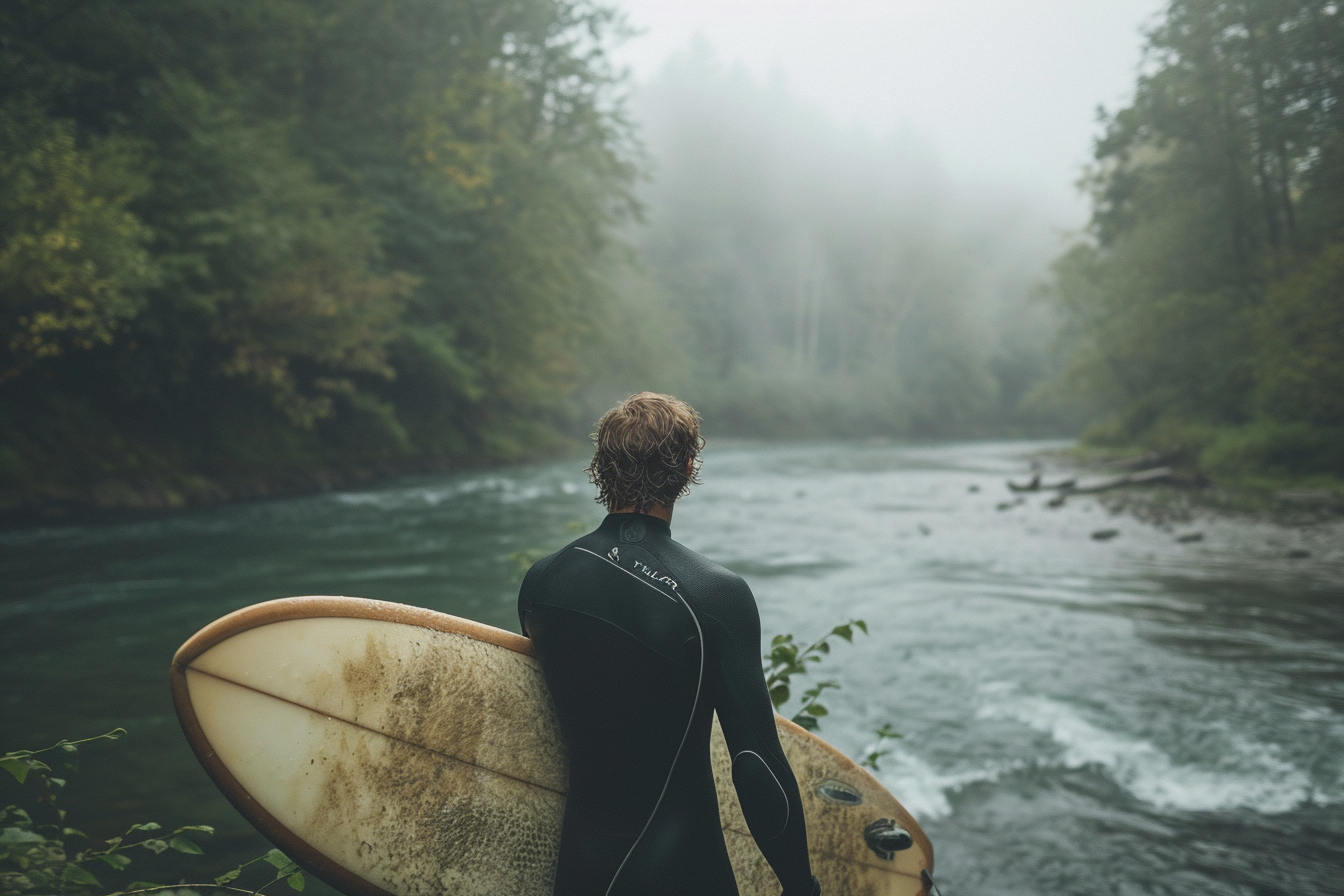
    Preparing for your river surfing expedition

    Gear selection

    The right equipment significantly influences your river surfing success and safety. Surfboards designed for ocean waves might not be suitable for the river; river surfboards are often shorter, thicker, and more durable to withstand the impact of rocks and strong currents.

    Essential river surfing gear

    • River Surfboard: Specially designed to be buoyant and responsive to the river’s dynamic.
    • Wetsuit: A good quality wetsuit that can provide warmth in cold river waters.
    • Helmet: Offers essential protection against rocks and other hazards.
    • Life Jacket: Increases buoyancy and is a safety must-have for all river surfers.
    • Leash: Keeps your board attached to your body, preventing it from floating away.

    Safety considerations

    Navigating a river’s capricious nature is not without its risks. Swift currents, unseen underwater obstacles, and variable water levels all play a part in river surfing’s inherent danger. Ensuring you are well-informed about river safety is paramount:

    • Know Your Stretch of River: Familiarize yourself with the area where you intend to surf, noting emergency exits and potential hazards.
    • Never Surf Alone: Always have a buddy with you, both for the joy of shared experience and for safety.
    • Take a Swift Water Rescue Course: This can be invaluable in understanding river dynamics and how to react in emergency situations.

    Physical fitness

    River surfing demands robust physical strength and endurance to paddle against the current, maintain balance on the dynamic wave, and recover from falls. A well-rounded fitness regimen including cardio, strength training, and balance exercises is highly beneficial to any aspiring river surfer.

    The art of catching a river wave
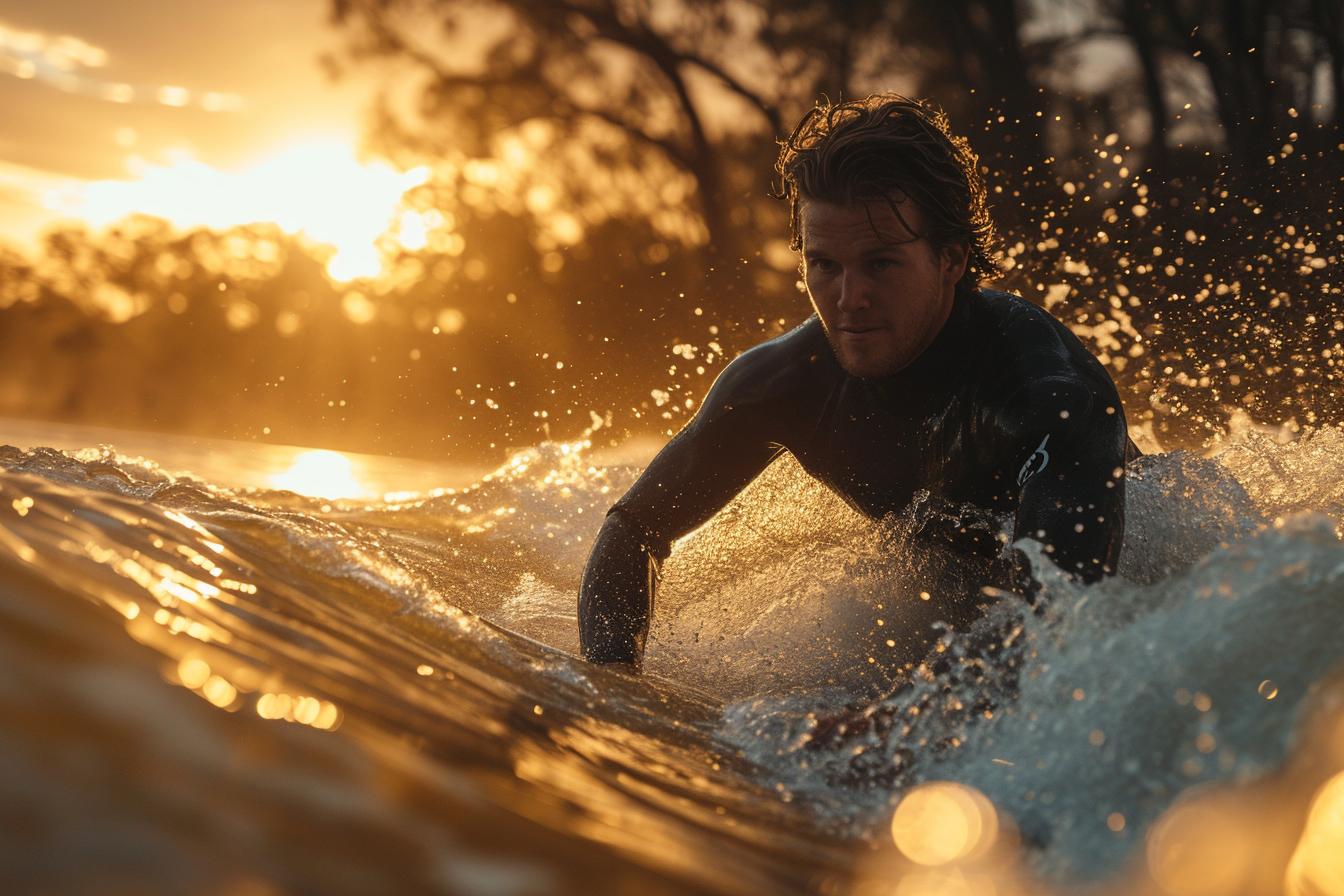
    The art of catching a river wave

    Finding your spot

    The first and most fundamental step is to find the sweet spot where the wave breaks consistently. It’s usually near the strongest flow of current, just behind the rock or object creating the wave. Positioning yourself correctly could mean the difference between a successful ride and getting washed downstream.

    Paddling into the wave

    This might be counterintuitive for ocean surfers, but the goal in river surfing is to paddle into the wave from downstream. The technique is to angle your board so that you hit the wave at its peak, allowing the current to push you onto the wave’s face.

    balancing

    Once you’re on the wave, the challenge is to balance on the constantly shifting surface. Your center of gravity should be lower, with your knees bent and your weight over the board.

    Turning and maneuvering

    Mastering turns on a river wave requires practice and patience. Beginners should start with simple back-and-forth movements to get a feel for the wave’s power. As you gain confidence, you can try carving sharper turns and eventually tricks or aerials.

    Progression in skills and technique

    River surfing involves an ongoing learning process, with each session providing an opportunity to hone your craft.

    Starting with the basics

    It’s essential to become comfortable just standing on the wave before attempting more complex maneuvers. Focus on controlling your board and stabilizing your stance.

    Practice makes perfect

    Repetition is key. Spending time on the water is the best way to improve. Each fall teaches you something new about how to maintain your balance and where to position yourself on the wave.

    Watching and learning

    Observing others can be incredibly instructive. Pay attention to how experienced river surfers approach the wave, where they stand on their boards, and how they maintain control in turbulent waters.

    Constructive criticism

    Constructive feedback from fellow surfers can help you adjust your technique and overcome any sticking points you might encounter on your river surfing journey.

    The river surfing community

    Being part of the river surfing community not only enhances the joy of the sport but is also an excellent way to learn and stay informed about safety, gear, and local river conditions. Engaging with other surfers can offer insights and tips that might take much longer to learn on your own.

    Connecting with local surfers

    Local surf communities are instrumental in getting acquainted with the intricacies of a particular river. They provide real-time updates on conditions and safety, not to mention the camaraderie found in shared passions.

    Contributing to the scene

    As you develop your skills, consider giving back to the community that helped you get started. This could be in the form of mentoring newcomers, participating in river cleanups, or advocating for the protection of the waterways.

    Events and competitions

    Attending river surfing competitions, whether as a spectator or a participant, exposes you to the sport’s competitive aspect, showcasing the high skill level and innovation within the sport.

    Advanced techniques and innovations

    As you progress from a novice to an intermediate and advanced river surfer, experimenting with different techniques and board designs can electrify your experience.

    Tricks and aerials

    From basic tricks like 360-degree spins to advanced aerials, expanding your repertoire of maneuvers adds a new level of excitement to river surfing.

    Custom equipment

    Tailoring your board and gear to suit your style and abilities can result in significant improvement in performance. This might entail working with surfboard shapers who specialize in river surfing boards or customizing your own.

    Exploring new river spots

    Seeking out new river waves challenges your adaptability and broadens your experience. Each river wave has its unique characteristics, vastly different from an ocean wave and often distinct from other river waves as well.

    The future of river surfing

    River surfing continues to evolve, with technological advancements leading to better equipment and more accessible waves. Artificial river waves and parks are beginning to surface, offering consistent and safe environments for surfers to practice and perfect their techniques.

    Environmental consideration

    The sport’s future is also tied to environmental health. Preserving river ecosystems is integral to maintaining the natural waves that provide this dynamic surfing environment. Active participation in conservation efforts not only benefits the planet but ensures the longevity of river surfing spots for future generations.

    Technological advances

    From improvements in wetsuit technology to advancements in surfboard materials and designs, staying abreast of the latest developments can enhance your performance and safety in the river surfing realm.

    Community growth

    As the sport grows, so does its community. The increase in awareness and popularity could lead to more structured training programs and the development of river surfing as a recognized competitive sport.

    River surfing offers a fresh and thrilling perspective on the ancient art of wave riding. It combines the challenge of mastering a dynamic natural force with the reward of an intimate connection to the river environment. As with any sport, success in river surfing is a balance of knowledge, skill, and respect for nature’s power. Whether you’re gliding on a green wave or navigating the tumultuous waters of a hole wave, river surfing promises an adventure like no other. To debut in river surfing is to open oneself up to a world where each wave is not an end but rather a gateway to an endless river of possibilities.


  • Mastering the art of landscape photography at sunrise: techniques and tips for captivating images

    Mastering the art of landscape photography at sunrise: techniques and tips for captivating images

    The ethereal glow of sunrise offers a unique challenge and opportunity for landscape photographers. This mystical time of day, when light and color dance across the sky, is a perfect canvas for crafting images that evoke emotion and wonder. In the delicate balance between night and day, photographers find a palette of colors and moods unavailable at any other time, creating the potential for truly captivating images.

    Understanding the golden hour

    What is the Golden Hour? It’s a term photographers use to describe the period shortly after sunrise (or before sunset) when the light is softer and warmer in tone. During this period, the sun’s low angle in the sky produces a diffused light that minimizes harsh shadows and bathes the landscape in a flattering glow.

    The quality of sunshine light:

    • Softness: The light is more diffuse, reducing contrast and allowing for a balanced exposure of both the landscape and the sky.
    • Direction: With the sun low on the horizon, long shadows add depth and texture to the landscape.
    • Color: Hues during sunrise tend to be softer and more subtle compared to sunset, with delicate pastel tones that can add a serene mood to the scene.

    Planning your sunrise shoot

    Planning your sunrise shoot

    Researching the location

    Scout your chosen location in advance, ideally at different times and weather conditions. Familiarity with the terrain enables the photographer to anticipate compositional opportunities and challenges. Employing tools such as Google Earth or specialized photography apps that provide sun position and light behavior can greatly aid in planning.

    Weather watching

    Closely monitor weather forecasts. Clear skies can be beautiful, but a few clouds can add drama and depth to a sunrise landscape. However, an overcast sky might not produce the desired effects, so constant vigilance is key to intercepting the perfect conditions.

    Gear preparation

    The right equipment, properly prepared, is crucial. Pack a sturdy tripod to stabilize the camera during the low light conditions of early dawn. Consider a wide-angle lens to capture the grandeur of vast landscapes, and perhaps a telephoto lens to isolate interesting details. Also, remember to bring extra batteries and memory cards, as cold morning temperatures can drain battery life quickly.

    Compositional mastery

    The rule of thirds

    The Rule of Thirds is a powerful compositional technique in photography. Imagine splitting the frame into nine equal parts by two equally spaced horizontal lines and two equally spaced vertical lines. Placing points of interest at the intersections or along these lines creates more tension, energy, and interest compared to a centrally placed subject.

    Foreground interest

    Introducing elements in the foreground gives an image depth and leads the viewer’s eye into the scene. Whether it’s rocks, vegetation, or water, these elements should add to the story you’re trying to tell without overshadowing the broader landscape.

    Leading lines and shapes

    Use natural or man-made lines, such as paths, rivers, or the shapes of hills, to draw the viewer’s eye through the photograph. These leading lines should ideally guide towards the focal point of your composition, be it a rising sun or a dramatic part of the skyline.

    Technical proficiency

    Setting the camera

    While automatic settings can provide decent results, manual control allows for precision:

    • ISO: Keep it low (100-200) to reduce noise.
    • Aperture: A mid-range aperture (f/8-f/16) provides adequate depth of field without diffraction softening the image.
    • Shutter Speed: Adjust based on lighting conditions and the presence of any moving elements such as water or clouds.

    Using filters

    Neutral Density (ND) filters can balance the exposure between the sky and the landscape. Graduated ND filters are particularly useful at sunrise, when the brightness of the sky can vastly differ from the foreground.

    Focus techniques

    Focusing is paramount in landscape photography. Use manual focus to ensure sharpness where it counts or the camera’s autofocus points to select a specific area of the image. A technique known as focus stacking, where multiple images at different focus points are blended in post-processing, can ensure front-to-back sharpness.

    Exposure bracketing

    The technique of taking multiple shots of the same scene at different exposures can be invaluable at sunrise. This practice, known as exposure bracketing, provides the material to create a High Dynamic Range (HDR) image in post-processing, ensuring that both the darkest shadows and the brightest highlights are well exposed.

    Capturing the magic

    Embrace the colors

    Sunrise offers a spectrum of colors that change rapidly. Begin shooting before the sun crests the horizon to capture the soft blues and purples of the twilight, and continue as the colors transition into the warm yellows and oranges of the actual sunrise.

    Silhouettes and shapes

    As the sun rises, it can backlight subjects, creating striking silhouettes. Positioning yourself so that trees, buildings, or mountains are in front of the rising sun can yield bold graphical shapes and contrasts within the landscape.

    The importance of patience

    Capturing the perfect sunrise shot requires patience. The lighting can change dramatically in a matter of minutes, and what may initially seem a lackluster dawn could suddenly transform into a fiery spectacle. Arriving early and staying late ensures that you won’t miss these transitory moments.

    Post-Processing techniques

    Post-processing techniques

    Raw power

    Shoot in RAW format to capture as much detail as possible, providing greater flexibility for adjustments in post-processing software such as Adobe Lightroom or Photoshop. This is particularly important for sunrise photos, where you may need to recover details in both highlights and shadows.

    Balancing act

    Adjust the white balance to reflect the true colors of the sunrise, or to creatively enhance the mood of the image. Tweaking the highlights, shadows, contrast and clarity can bring out the best in your sunrise landscape.

    Creative edits

    Consider the artistic use of gradients or radial filters to subtly bring focus to parts of the image or to further balance the exposure post-shoot. However, strive for subtlety to avoid an over-processed look which can detract from the natural beauty of a sunrise.

    Ethical and environmental consideration

    Respect the Land: As you seek the perfect sunrise photo, remember to tread lightly and leave no trace in the natural environment. Protecting these landscapes ensures their beauty endures for future generations and photographs.

    Cultural Sensitivity: In some cultures, areas with spiritual or historical significance may have photography restrictions, or require permissions. Always respect local customs and regulations.

    Conservation Efforts: Engage with local conservation initiatives and consider how your photography might raise awareness or support for these causes. Images have power, and with that power comes a responsibility to the subjects we capture.

    Continuous learning

    Analyze Other Works: Study the sunrise landscapes of renowned photographers. Analyze their compositions, lighting choices, and post-processing techniques to gain insights into their approaches and styles.

    Experiment: Don’t be afraid to experiment with different settings, perspectives, and compositions. Every sunrise is unique, and with each one, there’s a new lesson to be learned.

    Seek Feedback: Join photography communities, take part in workshops, or find a mentor to get constructive feedback on your work. Learning from others can accelerate your growth as a photographer.

    Embracing the journey

    Landscape photography at sunrise is an art that combines patience, planning, and technical prowess with the unpredictability of nature. It is this mix of certainty and surprise that captures the hearts of photographers who rise before the light. With each dawn, there is a story to tell, an emotion to capture, and a landscape to preserve within a frame.

    The mastery in this field is not just in the creation of the image, but in the journey that leads up to that decisive moment when the shutter closes. So wake with the birds, set up in the silence of pre-dawn, and watch as the world awakens in a blaze of color and light. Your best sunrise landscape photograph is not just a picture; it’s an experience, an interaction with the world at its most serene and its most dramatic. And there, on the edge of daybreak, you’ll find the artistry that keeps us coming back for that perfect shot.

  • Expert tips for the creation of gardens featuring endemic plants

    Expert tips for the creation of gardens featuring endemic plants

    Gardening with endemic plants is not just a practice; it is a profound journey into conservation, cultural heritage, and sustainable landscaping. This type of gardening focuses on plants native to a specific geographic location. These plants have evolved to thrive in the particular conditions of their natural habitat, making them incredibly well-suited to local soils, climate, and ecosystems. Creating gardens with these local specimens is not just an aesthetic decision—it is an ecological commitment. This comprehensive exploration will delve into the reasons why endemic gardens are beneficial and provide a rich tapestry of expert tips for gardeners who wish to embark on this green endeavor.

    Understanding endemic plants

    Endemic plants are species that are native to a particular area and found nowhere else in the wild. They often possess unique features that have allowed them to adapt to very specific environmental conditions. Embracing these plants in garden design contributes to the preservation of biodiversity and the continuation of regional landscapes.

    Benefits of endemic plant gardens

    Benefits of endemic plant gardens

    Biodiversity Enhancement: Gardens featuring endemic plants provide a stronghold for the preservation of local flora. Such gardens become living libraries of regional biodiversity, safeguarding genetic varieties that might otherwise be lost.

    Water Conservation: Endemic plants are acclimated to the rainfall patterns of their native regions. This means they typically require less additional watering compared to exotic species, leading to significant water savings—a crucial factor in areas prone to drought.

    Lower Maintenance: Once established, endemic plants often require less maintenance because they are adapted to local conditions, pests, and diseases. This means fewer interventions with fertilizers and chemical controls, contributing to a healthier environment.

    Wildlife Support: A garden planted with endemic species offers food, shelter, and breeding grounds for local wildlife, including birds, insects, and other fauna. Such gardens play a crucial role in supporting native pollinators and contributing to the health of the local ecosystem.

    Planning an endemic plant garden

    Assessing your environment

    A clear understanding of your local environment is the starting point for a successful endemic garden. This includes knowledge of soil types, moisture levels, light exposure, and climatic conditions. Recording these factors will help determine the plant palette that will flourish in your garden.

    Sourcing endemic plants

    Locating sources for endemic plants may involve a bit more effort than a trip to the local garden center. You may need to connect with native plant societies, local nurseries specializing in native plants, or even participate in plant swaps and seed-sharing programs focused on regional flora.

    Layout considerations

    Creating a design that accommodates the growth patterns and spatial requirements of endemic plants will help ensure their success. Consider natural groupings, as many native plants grow in communities that provide mutual support. Pay special attention to plants’ mature sizes to avoid overcrowding and competition.

    Soil preparation

    Endemic plants flourish in the soils they have adapted to over time. It is critical to replicate these soil conditions as closely as possible. Testing the soil and amending it to match the conditions of the plant’s native habitat will provide a sturdy foundation for plant health.

    Eco-Friendly practices

    Building an endemic garden is as much about what you shouldn’t do as what you should. Avoid soil sterilizers, heavy tilling, and synthetic chemicals. Such practices can destroy vital soil biology that native plants depend on.

    Plant selection and association

    Understand plant communities

    It is beneficial to explore how plants interact with each other in their natural habitats. Some may offer shade or moisture retention for their neighbors, while others may act as natural pest deterrents.

    Seasonal interest

    A well-planned endemic garden has visual appeal throughout the seasons. Selecting a variety of plants that offer different blooming periods, foliage textures, and colors will keep the garden lively and engaging year-round.

    Succession planting

    Implementing succession planting by spacing out the planting of different species can help in creating a perpetual garden where something is always on the verge of blooming. This method contributes to continuous support for local wildlife.

    Resilience through diversity

    Cultivate diversity within the garden by introducing a range of endemic species. This diversity can bolster the garden’s resilience against pests, diseases, and climatic challenges.

    Planting and maintenance strategies

    Right plant, right place

    The well-worn gardening axiom "right plant, right place" holds especially true for endemic plant gardens. Each plant has evolved to suit specific conditions which must be respected for the plant to thrive.

    Natural mulches and ground covers

    Using organic mulches and endemic ground covers can help retain soil moisture, suppress weeds, and provide a more authentic look to the garden. Such materials often break down to enrich the soil as well.

    Pruning and grooming

    Most native plants require minimal pruning. If pruning is necessary, such as for deadheading or shaping, it should mimic natural processes as closely as possible. Grooming should be gentle and follow the natural growth patterns of the plants.

    Watering wisely

    While endemic plants may require less water, their watering needs are not zero. Establishing young plants will necessitate a well-considered watering regimen that gradually reduces as the plants take root and adapt to the local conditions.

    Cultivating a healthy ecosystem

    Pest management

    By favoring endemic plants, you are likely to see an equilibrium established with local pests. Ecological pest control methods, like attracting predatory insects with specific plants, can serve as effective alternatives to chemical interventions.

    Understanding natural growth cycles

    Recognize that not all plants will look perfect year-round; seasonal changes are a part of the garden’s lifecycle. Embrace these rhythms, allowing plants to seed and propagate as they would in the wild.

    Enhancing habitat connectivity

    Consider your garden as part of a larger network of green spaces. Creating a habitat corridor by linking your garden to other natural areas can enhance regional biodiversity and create pathways for wildlife.

    Education and involvement

    Incorporating endemic plants into a garden can become an educational tool, raising awareness about the importance of native plant conservation. Engage with community initiatives and local conservation efforts to promote the value of endemic plant gardening.

    Long-Term commitment and adaptation

    Long-term commitment and adaptation

    Monitoring and evolution

    Regularly monitor the garden, noting which plants are thriving and which might need attention. An endemic garden is an evolving system that may require adjustments over time. Observations can lead to a deeper understanding of the local ecology, informing future plant choices and care strategies.

    record-keeping

    Maintaining records of plantings, bloom times, growth patterns, and successes or failures proves invaluable over time. These records become a personal encyclopedia of local horticultural knowledge.

    Experimentation and learning

    Gardening with endemic plants is a continual learning process. Be open to experimenting with different species and placements, learning from the outcomes, and sharing knowledge gained with the wider community.

    Fostering a connection with nature

    Beyond the practicalities, endemic gardens foster a profound connection with the natural world. They remind us of our place within the ecosystem and the importance of stewarding the unique landscapes that are our home.

    Gardening with endemic plants is an enriching practice that aligns garden aesthetics with environmental stewardship. It creates spaces that resonate with the natural beauty of a region and support its ecological stability. As gardeners nurture these spaces, they become custodians of the land, contributing to the vitality of the planet, one garden at a time. Delving into the creation of gardens populated with local flora is not just a gardening choice; it is an investment in the future of our environment and a celebration of the natural heritage that surrounds us. As you embark on this journey, embracing these expert tips will guide you toward cultivating a garden that is both a sanctuary for native species and a canvas of indigenous beauty.

  • Mastering techniques de cuisine végétalienne à base de légumineuses: a comprehensive approach for plant-based cooking

    Mastering techniques de cuisine végétalienne à base de légumineuses: a comprehensive approach for plant-based cooking

    Introduction to plant-based cooking with legumes

    The shift towards plant-based diets has brought with it an increased interest in legumes as a nutritional powerhouse and versatile culinary ingredient. Legumes, including beans, lentils, chickpeas, and peas, are central to vegan cooking due to their remarkable nutritional profile, which includes essential proteins, fiber, vitamins, and minerals. Yet, to fully harness the gastronomic potential of legumes, one must delve into the art and science of vegan cooking, understanding the interplay of flavors, textures, and techniques that transform these humble ingredients into delectable dishes.

    Nutritional significance of legumes in vegan diet

    Legumes stand as the cornerstone of any vegan diet. Rich in protein, legumes provide the necessary amino acids that are often a concern in plant-based diets. The importance of integrating legumes into vegan meals cannot be overstated, especially because they also contribute to the intake of iron, magnesium, potassium, and B vitamins, all essential for maintaining optimal health.

    The role of fiber and other nutritional benefits

    Fiber, both soluble and insoluble, is abundant in legumes. This nutrient aids in digestive health and has been linked to reduced cholesterol levels, contributing to cardiovascular well-being. The high fiber content also brings satiety, which can help in managing weight and blood sugar levels, making legumes a beneficial inclusion for those with diabetes or those looking to maintain a healthy weight.

    Selecting and preparing legumes for cooking

    Before diving into complex cooking techniques, understanding and selecting quality legumes is vital. Dried legumes are preferable for their long shelf life and lack of additives, while canned varieties offer convenience but require attention to sodium content and potential preservatives.

    The soaking and cooking process

    The traditional approach to preparing dried legumes begins with soaking, which serves to shorten cooking time, enhance digestibility, and reduce compounds that can cause gastric discomfort. There are two main soaking methods:

    • The Long Soak: Overnight soaking is the most common method.
    • The Quick Soak: Boiling legumes for a few minutes and then letting them stand for an hour can substitute for an overnight soak.

    After soaking, legumes are cooked until tender, a process that varies in time based on the type and age of the legume. Cooking can be done simply in water or with added aromatic ingredients such as herbs or vegetables to infuse additional flavors.

    Versatile ingredient: crafting diverse dishes with legumes

    Versatile ingredient: crafting diverse dishes with legumes

    The transformation of legumes into myriad culinary creations starts with fundamental cooking techniques and a dash of creativity. Vegan chefs often employ techniques such as pureeing for smooth soups, sautéing to build layers of flavor, and incorporating legumes into bakes for added substance and texture.

    Creating rich, flavorful vegan stocks and broths

    Building a rich vegan stock is an essential skill for deep flavor profiles in legume-based cooking. Caramelizing vegetables, including the aromatic holy trinity of onions, carrots, and celery, before simmering them with legumes, can provide a depth of flavor that rivals traditional stocks.

    The use of legumes in alternative protein sources

    One of the exciting challenges of vegan cooking is crafting alternative protein sources that are both nutritious and satisfying. Legumes can be transformed into vegan patties, meatless meatballs, and even vegan ‘ground beef’ using techniques such as grinding, binding with starches, and flavor layering through marinating and seasoning.

    The art of infusing flavors into legumes

    The next step in mastering legume-based vegan cuisine is understanding the art of flavor infusions. Since legumes have a relatively neutral taste, they absorb spices, herbs, and marinades exceptionally well, making them a blank canvas for a plethora of cuisines.

    Working with spices and herbs

    To maximize the flavor potential of legumes, a firm grasp of spice and herb combinations is crucial. For instance, using cumin, coriander, and turmeric can impart an Indian flair, while combining garlic, rosemary, and thyme can channel Mediterranean vibes. Toasting dry spices prior to cooking helps release their oils and maximize their impact on the dish.

    Balancing flavors and textures

    Balanced dishes require thoughtful consideration of flavor and texture. A harmonious vegan dish often includes a contrast of textures, such as combining creamy lentils with crunchy nuts or seeds. Acidity, sweetness, saltiness, and umami should also be balanced to elevate the main ingredient without overpowering it. Acidic components like vinegar or lemon juice can cut through the richness and refresh the palate.

    Perfecting the art of vegan protein complementarity

    While legumes are high in protein, they do not typically contain all essential amino acids in sufficient amounts. Thus, understanding protein complementarity is key to a nutritionally complete vegan meal. This involves pairing legumes with grains, nuts, or seeds that supply the missing amino acids, creating a complete protein profile.

    Combining legumes with grains

    The traditional combination of beans and rice is not just a staple in many cultures but also a smart nutritional choice. Cooking techniques that combine legumes with grains, such as incorporating lentils into a quinoa salad or chickpeas into a barley stew, ensure a well-rounded amino acid profile. For a twist, experimenting with less common grains like millet or spelt can add variety and additional nutritional benefits.

    Innovative texture enhancements in vegan cooking

    Texture plays a significant role in satisfaction with a meal. As such, innovative techniques such as pureeing for smoothness, toasting for crunch, and folding in ingredients to introduce chewiness or airiness can transform a dish’s mouthfeel.

    Purees and mousses

    Legumes can form the base for smooth purees and mousses, bringing silkiness to dishes. A well-prepared bean puree can serve as a rich spread, and a lentil mousse can be a delightful vegan dessert or savory component. The key to perfecting these textures lies in the details of blending time and the addition of ingredients that enhance creaminess, such as plant-based milks or oils.

    Toasting and caramelizing for depth

    Toasting legumes or using caramelization techniques can introduce new dimensions of flavor and texture. Whether roasting chickpeas for a snack with a crisp exterior and tender center or caramelizing onions for a deeper sweetness in lentil soups, these methods enrich the overall taste experience.

    Advanced techniques and presentation

    Beyond cooking for flavor and nutrition, presentation and employing advanced cooking techniques can elevate legumes to fine-dining status. Techniques such as terrine-making using lentil mixtures, creating intricate stuffed pastas with bean fillings, or even legume-based foams for gastronomic flair showcase the true potential of these ingredients.

    Finesse in plating and aesthetic appeal

    A dish’s visual appeal can be as important as its taste. Employing plating techniques such as the use of contrasting colors, thoughtful arrangement of components, and garnishing can turn a simple stew or salad into a dish that is visually arresting. Aesthetic appeal is a potent factor that can enhance the perceived tastefulness of a dish.

    Future directions and trends in legume-based cuisine

    The culinary world is ever-evolving, with plant-based cooking at the forefront of innovation. Chefs continue to push the boundaries, discovering novel uses for legumes and integrating them into surprising new forms and dishes. Vegan cuisine that relies heavily on legumes is no longer simply a necessity for dietary choice but has transformed into a celebration of sustainable and health-conscious gastronomy.

    The evolving palette of vegan chefs

    With the plethora of ingredients available, the vegan chef’s palette is richer than ever before. Newer ingredients like aquafaba, the liquid from cooked chickpeas, serve as an astonishing egg replacement, offering the ability to create vegan meringues and foams. Such innovations are testament to the versatility of legumes and the ingenuity of those who cook with them.

    Legumes in sustainable and ethical cuisine

    Given the ecological and ethical implications of food choices, legumes present a compelling option for those committed to responsible eating. As a crop, they fix nitrogen in the soil, reducing the need for chemical fertilizers and promoting agricultural sustainability. The growing appreciation for legume-based dishes reflects a global awareness of the need to reduce meat consumption for environmental stability.

    The journey of mastering legume-based vegan cooking is endless, punctuated with continually emerging techniques, flavor combinations, and applications. For the gourmand, home cook, or professional chef, the legume presents a canvas of endless culinary exploration, where creativity meets conscience, flavor meets nutrition, and tradition marries innovation.

  • Mastering landscape photography: utilizing a wide-angle lens for stunning scenic imagery

    Mastering landscape photography: utilizing a wide-angle lens for stunning scenic imagery

    Mastering landscape photography: utilizing a wide-angle lens for stunning scenic imagery

    Landscape photography has the power to transport viewers to far-flung places, convey the grandeur of the natural world, and capture the beauty of the environment. A key tool in the arsenal of landscape photographers is the wide-angle lens. With its expansive field of view and unique perspective capabilities, the wide-angle lens can transform a scene into an immersive experience.

    Understanding wide-angle lenses

    Wide-angle lenses are defined by their short focal lengths, typically less than 35mm on a full-frame camera. Their characteristic feature is the ability to include a vast expanse of the scene in a single frame. This makes them ideal for photographing landscapes where the photographer aims to capture as much of the surroundings as possible.

    Advantages of wide-angle lenses

    • Expansive Field of View: The broad sweep of landscape can be captured, from the sweeping skies to the minute details in the foreground.
    • Sense of Depth: Wide-angle lenses accentuate the sense of space and depth in a photograph, giving the viewer a feeling of being within the scene.
    • Distortion Creative Effects: These can be used artistically to give landscapes a new dimension, making elements like trees or rocks appear larger and more imposing.

    Harnessing the power of perspective

    Wide-angle lenses not only capture more of the scene, but they also dramatically affect the perception of space and distance. When photographers understand how to control this perspective, they can create highly dynamic compositions.

    Leading lines and foreground interest

    • Leading Lines: The exaggerated perspective can make compositional elements like roads or riverbanks stretch away from the viewer, drawing the eye through the image.
    • Foreground Interest: To anchor the frame and enhance the feeling of depth, include interesting features in the foreground, such as rocks, flowers, or patterns in the sand.

    Handling distortion

    • Lens Distortion: Wide-angle lenses can produce distortion, especially around the edges of the frame. While sometimes desirable, it can lead to unnatural representations of scenes. Keeping the lens level and avoiding tilting it upwards or downwards helps mitigate distortion effects.

    Technique is key

    • Avoiding Edge Distortion: Compose with care to prevent distortion of trees or buildings on the edges of the frame.
    • Keeping Horizon Straight: A level horizon is essential for landscape shots to avoid giving the viewer a sense of imbalance.

    Selecting the right wide-angle lens

    Not all wide-angle lenses are created equal. Photographers should consider several factors when choosing the right lens for their landscape photography.

    Focal length variations

    • Ultra-Wide Lenses (14mm – 24mm): Offer maximum field of view but can be challenging to use due to the exaggerated distortion.
    • Moderate Wide-Angle Lenses (24mm – 35mm): These provide a natural perspective while still capturing a broad scene.

    Lens quality and features

    • Sharpness: Look for lenses that maintain clarity and detail across the frame.
    • Maximum Aperture: A wide maximum aperture isn’t as critical for landscapes where a deep field of focus is usually desired, but it can be beneficial for low-light conditions.
    • Weather Sealing: Given the outdoor nature of landscape photography, durable construction and weather sealing are valuable features.

    Composition tips for wide-angle landscape photography

    Strong compositions are the foundation of memorable landscape photographs. A wide-angle lens can both enhance and challenge compositional choices.

    Rule of thirds

    • Balanced Compositions: Positioning the horizon along the top or bottom third line can result in a balanced and harmonious composition.
    • Focal Points: Place points of interest at the intersections of these lines to create an engaging and dynamic image.

    Incorporating layers

    Layers add depth to a landscape photograph. With wide-angle lenses, photographers can emphasize this depth by carefully composing multiple layers in a scene, such as a foreground of wildflowers, a middle ground of rolling hills, and a background of snowy peaks.

    Mastering exposure

    With the vast dynamic range often present in landscapes, especially with the inclusion of sky and land in the same frame, exposure settings are crucial.

    Understanding the histogram

    • Avoiding Clipped Highlights and Shadows: Use the histogram to ensure that the exposure preserves details in both the shadows and highlights.

    Using filters

    • Graduated Neutral Density Filters: These can help balance the exposure between a bright sky and a darker landscape.
    • Polarizing Filters: A polarizer can intensify the blue of the sky, reduce reflections, and increase color saturation.

    The magic of the golden hour

    The golden hour—the period shortly after sunrise or before sunset—offers some of the most flattering light for landscapes. A wide-angle lens can leverage this warm, diffused light to create images with rich colors and long, soft shadows that accentuate the contours of the land.

    Post-Processing wide-angle shots

    With the raw power of wide-angle lenses captured in camera, post-processing can fine-tune these images to perfection.

    Correcting lens distortion

    • Software Correction: Most photo editing software comes equipped with tools to correct lens distortion, ensuring that lines look straight and true.

    Enhancing details and colors

    • Sharpness and Clarity: Increase sharpness and clarity to bring out details, especially in the image’s foreground and mid-ground areas.
    • Vibrancy and Saturation: Adjusting color settings can help recreate the natural beauty of the landscape as perceived by the human eye.

    The journey to mastering landscape photography with a wide-angle lens is one of understanding the equipment, refining technique, and developing a keen eye for composition. The lens is not only a tool but a gateway to a greater appreciation of the natural world and how it can be captured on camera. Experimentation is a pathway to discovery, and each landscape photographer must find their unique perspective—a convergence of vision, skill, and the irreplaceable wide-angle lens.

  • Comprehensive overview: infos sur les compétitions de surf tracté électrique

    Comprehensive overview: infos sur les compétitions de surf tracté électrique

    Surfing, as a sport deeply rooted in the synergy of human skill and natural force, has evolved dramatically over the years. From its traditional form relying solely on paddling power to catch waves, innovation has spurred new and exhilarating offshoots. Among these is the advent of electric tow-in surfing, an intriguing blend of technology and sport. As the name suggests, electric tow-in surfing features surfers being towed into waves by electrically powered craft, rather than depending on arm strength or wave energy. This development catalyzes the entry into a realm where waves previously thought uncatchable now become playgrounds for daring surf enthusiasts.

    The evolution of tow-in surfing

    Historically, tow-in surfing emerged out of necessity. Giant waves at locations such as Nazaré in Portugal or Peʻahi in Hawaii, also known as Jaws, pushed surfers to seek alternatives to traditional paddling. Initially, personal watercraft with internal combustion engines served as the towing apparatus, but this posed issues: they were loud, polluted the waters and air, and sometimes struggled with frequent maintenance needs.

    The shift towards electrically powered craft signifies a monumental leap in addressing such environmental concerns. These crafts are quieter, produce zero emissions during operation, and often imply lower maintenance due to fewer moving parts. As the technology matures, electric tow-in surfing is not just an eco-conscious choice but also a revolutionary way to tackle mammoth waves.

    Electric tow-in surfing competitions

    Rules and regulations

    In electric tow-in surfing competitions, the structure often mimics that of standard surfing contests. Surfers are judged based on their ability to select waves, performance on the waves, degree of difficulty of maneuvers, and overall flow and style. The use of electric craft, however, introduces additional parameters and guidelines focusing on equipment specifications, safety protocols, and environmental standards to ensure a level playing field.

    Prevalent venues

    Coveted spots for electric tow-in surfing are those that produce consistently massive and powerful waves, challenging even the most seasoned surfers. Notable venues have been established in regions with a reputation for such conditions, capitalizing on their natural geography to host electrifying competitions that draw crowds and surfers from around the globe.

    Challenges and judging criteria

    The criteria for judging in electric tow-in surfing take into account the distinctive aspects of being towed into colossal waves. Competitors have to exhibit an enhanced level of control and poise while executing maneuvers that would be nearly impossible on smaller or less forceful waves. Judges keep a keen eye out for innovation, execution of aerials, and the surfer’s ability to harness and navigate the wave’s raw power.

    Technology used

    The electric craft used in these competitions are feats of modern engineering. They are designed for optimal performance in marine environments, housing powerful electric motors that can cope with strong currents and rapidly changing sea conditions. The specifications for batteries and propulsion systems are rigorously tested to meet the demands of high-speed tow-ins.

    Safety measures

    Safety in electric tow-in surfing competitions is paramount due to the formidable nature of the sport. Event organizers deploy a suite of measures, including rescue teams on standby, advanced communication systems, and personal protective gear tailored to withstand harsh impacts. The electric tow craft, often doubling as safety vehicles, are equipped with emergency response features to swiftly assist surfers in distress.

    Rescue protocols

    The implementation of strict rescue protocols ensures that any incident is addressed with precision and speed. Competent personnel are always at the ready, with practiced maneuvers to extract surfers from danger quickly. Moreover, surfers themselves are often required to undergo safety training, equipping them with knowledge and techniques to manage their risks.

    Environmental impact

    The integration of electric tow vehicles in surfing ushers in a new era of eco-friendliness. By diminishing the reliance on fossil fuels, electric tow-in surfing sets a precedent in minimizing carbon footprints. Competitions promote conservation efforts, pioneering the use of clean energy in water sports, and inspiring a broader movement towards sustainability in the surfing world.

    Advancing technologies

    Continuous advancements in battery technology and electric motor efficiency drive the evolution of electric tow-in surfing. With researchers and companies pushing the boundaries, the surf community eagerly anticipates even more effective and environmentally benign solutions for harnessing ocean waves.

    Sustainable practices

    Beyond the competitions themselves, a culture of sustainability permeates aspects of event organization. Measures range from waste reduction strategies to leveraging renewable energy sources for powering auxiliary operations, such as media broadcasts or spectator accommodations.

    Community and culture

    Electric tow-in surfing’s rise in popularity brings together a vibrant community of enthusiasts, athletes, engineers, and environmentalists. The culture around the sport is one of respect—for the ocean, for innovation, and for the sheer athleticism of the surfers themselves. It’s a melting pot where camaraderie is forged in the pursuit of pushing boundaries while preserving the natural world.

    Inclusivity and participation

    With electric tow-in surfing still in its nascent stage, there’s a strong focus on inclusivity and broadening participation. Organizers and sponsors often host workshops, exhibitions, and trials to demystify the sport and encourage newcomers to take part, whether as competitors or as part of the growing spectatorship.

    Events and festivals

    Electric tow-in surfing competitions are increasingly featured within larger surf festivals and events, drawing in diverse spectators and generating amplified excitement. These festivals celebrate surf culture and often combine music, food, and educational sessions on sustainability and ocean health, enriching the overall experience.

    Technological considerations

    The implementation of cutting-edge technology is not confined to the tow craft. Competition organizers exploit a range of sophisticated tools to enhance the experience for participants and audiences. Real-time wave tracking systems, high-definition broadcasting capabilities, and innovative scoring software are just a few examples of tech-savviness in action.

    Athlete preparation and strategy

    The surfers themselves delve into technology to help prepare for competitions. From studying wave patterns with predictive software to fine-tuning board designs in simulations, technology is an integral part of training regimes and strategic planning.

    Audience engagement

    For the viewers, technology provides an immersive experience, whether they are on the beach or watching from across the world. Livestreams featuring multiple camera angles, drone footage, and insightful commentary keep the audience engaged and informed.

    Future prospects

    The trajectory of electric tow-in surfing points toward an expanding landscape filled with potential. Innovators in sustainable technology view the sport as a platform for showcasing advancements that could ripple out into broader maritime applications. As battery storage capacities increase and electric motor systems become more robust, the veneer of novelty surrounding electric tow-in surfing will likely give way to a staple status in competitive surfing.

    Research and development

    Continuous R&D efforts are essential for addressing the remaining challenges, such as extending battery life and ensuring the durability of electric systems in saltwater conditions. The synergy between developers and athletes paves the way for tailored solutions that will advance the sport.

    Cultural integration

    Over time, as electric tow-in surfing garners more attention and respect, it could significantly influence the cultural zeitgeist of the surfing community. Initiatives that amplify the voices of diverse participants and highlight sustainability suggest a bright and responsible future for the sport.

    Closing thoughts

    Electric tow-in surfing competitions represent a junction where human ambition, technological innovation, and environmental consciousness converge. Through the detailed analysis of the sport’s evolution, rules, equipment, and cultural impact, a picture emerges of a realm not just riding on the crest of a wave but also at the forefront of a new wave of sustainable sports.

    As these competitions continue to inspire and challenge, it is evident that the essence of surfing – a dance with the ocean’s might – remains intact, even as it embraces an electrified future. The journey of electric tow-in surfing is as exhilarating as the waves it conquers, and the horizons it promises to reach seem as boundless as the sea itself.

  • Mastering water wonders: essential tips for creating exotic aquatic plant gardens

    Mastering water wonders: essential tips for creating exotic aquatic plant gardens

    The allure of a tranquil aquatic garden is undeniable. These vibrant ecosystems not only enhance the beauty of any space but also foster a meditative and serene environment. Mastering the art of creating such gardens requires an understanding of the intricate balance between the aquatic plants and their environment. Delving into the world of aquatic gardening opens up a panorama of exotic plant varieties, each with unique requirements and contributions to the aquatic tableau.

    Fundamentals of aquatic gardening

    Understanding water chemistry

    Successful aquatic gardening begins with a comprehension of water chemistry. The pH level, which measures acidity or alkalinity, directly influences plant growth. Most aquatic plants thrive in a neutral pH range (6.5 to 7.5). Testing kits are essential tools for monitoring water chemistry regularly. Additionally, water hardness and nutrient levels play a critical role in plant health. A balance of essential nutrients such as nitrogen, phosphorus, and potassium supports lush growth while warding off algae.

    Controlling Algae Growth

    Algae is a natural part of any aquatic ecosystem yet can quickly overpower a garden if left unchecked. Adequate plant coverage that competes with algae for nutrients, proper filtration, and limiting sunlight exposure can help manage algae growth. Strategically positioning plants and utilizing floating species create shade, further reducing the risk of algae proliferation.

    The role of filtration systems

    Robust filtration systems are the cornerstone of clear and healthy aquatic gardens. Mechanical and biological filters work in tandem to clean the water and break down harmful waste products. The mechanical filter catches debris, whereas the biological filter houses beneficial bacteria that convert ammonia and nitrites into nitrates, which aquatic plants can utilize.

    Designing your aquatic garden

    Designing your aquatic garden

    Planning Layout and Depth

    Crafting an aquatic plant garden is akin to painting a landscape where depth and variety create visual appeal. Shallow zones favor marginal plants, while deeper parts are ideal for submerged species. The layout should factor in viewing angles and how the garden complements the surrounding area, ensuring a cohesive design.

    Choosing the right plants

    Selecting Plants Based on Growth Patterns

    Aquatic plants are categorized based on their growth patterns:

    • Floating Plants: These unanchored plants, like water lettuce and duckweed, provide shade and help control algae.
    • Submerged Plants: Often referred to as oxygenators, they grow completely underwater, contributing to the water’s oxygenation and clarity. Examples include anacharis and hornwort.
    • Marginal Plants: These plants grow on the water’s edge or in shallow water. Common choices are cattails and pickerel rush.
    • Deep-Water Plants: Water lilies and lotuses are the stars of this group, gracing the depths with their flowers.

    Considering Plant Hardiness Zones

    Being mindful of plant hardiness zones ensures that species selected for the garden can survive the local climate. Tropical plants, while enchanting, may require additional heating or should be treated as annuals in colder regions.

    Aquatic plant care and maintenance

    Regular Pruning and Trimming

    To maintain aesthetics and plant health, regular pruning and trimming are necessary. It entails removing dead foliage, controlling plant size, and preventing invasive species from dominating the space.

    Overwintering Strategies

    For colder climates, overwintering strategies are critical for perennial aquatic plants. Hardy plants can typically remain in the garden if the water does not freeze to their depth. Tropical species may require moving indoors or employing water heaters.

    Fertilization Techniques

    Fertilization bolsters plant growth but must be administered carefully to prevent nutrient overload, which could stimulate algae bloom. Specialized aquatic plant fertilizers are recommended, and they are typically added every few weeks during the growing season.

    Cultural techniques for optimal growth

    Sunlight Exposure and Shading

    Aquatic plants need ample sunlight for photosynthesis, usually around six hours of direct sunlight per day. However, shading is equally important to mitigate algae growth and to reduce evaporation. This can be achieved with the use of strategically placed floating plants or artificial shading methods.

    Temperature Considerations

    Temperature fluctuations influence aquatic plant health. Different species have varying tolerances, but most flourish between 65°F and 75°F. Water temperature should be monitored and regulated, particularly for ponds that are shallow or in full sunlight.

    Problem-Solving in aquatic gardens

    Tackling common pests and diseases

    Aquatic gardens can attract pests such as snails or suffer from diseases like root rot. Manual removal, the introduction of predators, or use of organic treatments can mitigate these issues. It’s vital to address problems early to prevent them from spreading.

    Managing Plant Crowding

    As aquatic plants grow, they can crowd each other, leading to competition for resources. Periodic thinning ensures each specimen has enough space and nutrients to thrive, thereby preserving the garden’s balance.

    Integrating wildlife into the aquatic garden

    Creating a haven for beneficial species

    Attracting Pollinators and Predatory Insects

    Floating and marginal plants not only add beauty but also serve as landing platforms for pollinators. These beneficial insects aid in plant propagation, while predatory insects help control pest populations.

    Supporting Amphibians and Fish

    Incorporation of amphibians such as frogs and toads, as well as fish, can bring the garden to life and contribute to the ecosystem’s balance. Selection of non-aggressive fish that coexist with plants is crucial for a harmonious aquatic garden.

    Advanced techniques for aquatic plant enthusiasts

    Advanced techniques for aquatic plant enthusiasts

    Hybridization and Propagation

    Experimenting with hybridization and propagation can lead to unique plant varieties and personalize the aquatic garden. Techniques such as dividing rhizomes and collecting seeds can propagate favored plants, creating a continuity of the garden’s beauty.

    Utilizing high-tech equipment

    Implementing Automated Watering Systems

    To optimize care, automated watering systems and smart sensors can monitor and adjust feeding schedules, pH, and temperature, keeping the aquatic garden flourishing with minimal manual intervention.

    Innovative Lighting Solutions

    LED lights with spectral tuning can enhance plant growth and allow for extending daylight hours, especially beneficial in regions with limited natural sunlight. These lighting systems also provide opportunities to highlight the garden for nighttime viewing.

    Nurturing the spiritual and aesthetic aspects

    Incorporating Aesthetic Elements for Visual Depth

    Strategically placed rocks, driftwood, and features like waterfalls or fountains contribute to the overall aesthetic while simultaneously oxygenating the water.

    Fostering a Space for Mindfulness and Reflection

    Aquatic gardens are not just about the plants but also about creating a tranquil space for rest and reflection. The harmonious interplay of flora, water, and fauna encourages a sense of peace and connection to nature.

    Final thoughts on mastering water wonders

    Gardening enthusiasts who embark on the journey of creating an aquatic plant garden are rewarded with a tranquil oasis that brings a sense of wonder to their surroundings. Every aspect, from the selection of plants to the intricate care routines, contributes to the vibrant tapestry of life beneath the water’s surface. Engaging with this living art form offers an ongoing learning experience and an opportunity to connect with nature’s rhythms.

    The adventure of aquatic gardening is a continuous process of discovery and mastery. As techniques improve and knowledge deepens, the aquatic garden transforms, mirroring the growth of its cultivator. The artistry involved in shaping these water wonders beckons constant exploration, and the path to creating an exotic aquatic plant garden is as enriching as the gardens themselves.

  • Top tips for thriving in macrobiotic cooking: your ultimate resource

    Top tips for thriving in macrobiotic cooking: your ultimate resource

    Macrobiotic cooking is more than just a diet; it’s a way of life. It emphasizes balance and harmony within and with the natural world, guiding followers toward a lifestyle centered on whole, unprocessed, and primarily plant-based foods. To achieve this equilibrium, macrobiotic cuisine relies heavily on grains, legumes, vegetables, and fermented soy products. Mirroring the changing seasons and personal health needs, it adapts its principles accordingly, making it a dynamic culinary practice.

    The significance of whole grains

    Whole grains function as the pillar of macrobiotic cooking. They are respected for their ability to provide sustained energy and essential nutrients. Favoured grains include brown rice, barley, millet, and buckwheat — each offering unique benefits to the diet. Regular consumption of these nutrient-rich grains can contribute to improved health and well-being.

    Integrating vegetables for vitality

    Vegetables are another cornerstone of this philosophy. They should be consumed in variety and abundance, encompassing a range of colors and nutritional profiles. Leafy greens, root vegetables, and sea vegetables are staples, offering fiber, vitamins, and minerals. Cooking methods like steaming, sautéing, and pickling are preferred to preserve their life-force or "Chi."

    Balanced use of proteins

    While macrobiotics places an emphasis on vegetables and grains, it does not neglect the importance of protein. Foods such as tofu, tempeh, and legumes provide adequate protein content, while also contributing to the diet’s overall balance.

    Essential macrobiotic cooking tips

    Quality ingredients matter

    To truly embrace macrobiotic cooking, select the highest quality ingredients. Organic, locally-sourced, and seasonal produce will enhance the flavor and nutritional value of your dishes. Prioritize purchasing from local farmers’ markets or health food stores.

    Mindful cooking techniques

    Subtleties in preparation can impact a meal’s energy and nutritional integrity. Cooking with mindfulness and intention is believed to imbue food with positive energy. Gentle cooking methods, such as steaming, boiling, or pressure cooking, are encouraged. These techniques retain the natural essence and nutrients of the ingredients.

    The importance of fermentation

    In macrobiotic meals, fermented foods play a crucial role. Miso, tempeh, and sauerkraut introduce beneficial probiotics into the diet, promoting gut health and aiding digestion. Incorporating these into your diet can be as simple as preparing a daily cup of miso soup or adding sauerkraut as a side dish.

    Embrace sea vegetables

    Sea vegetables are sea greens known for their high mineral content, especially iodine. Incorporating nori, dulse, and wakame into your menu brings variety and boosts nutritional value. They can be used in soups, salads, or even as snacks.

    Simplicity is key

    Embrace simplicity in macrobiotic cooking. Meals should be modest, focusing on the natural flavors and textures of the ingredients without overcomplication. This approach helps maintain the integrity of the food and aligns with the diet’s philosophical background.

    Seasonal cooking

    Harmonize your cooking with the seasons. This practice not only aligns with the macrobiotic principle of living in balance with nature but also ensures that you are eating the freshest and most nutritious produce. Each season, select ingredients that are naturally abundant and at their peak.

    Personal balance

    Macrobiotic cooking is not a one-size-fits-all approach. It encourages personalization based on an individual’s health, climate, season, and activity level. Flexibility to adjust the diet to personal needs is essential for thriving in macrobiotic cooking.

    Regular meal times

    Establish regular meal times to promote a balance in digestion and overall health. The macrobiotic diet values routine and the body’s natural rhythms. By eating at consistent times, you can support your body’s internal clock.

    Chewing thoroughly

    A perhaps underrated aspect of macrobiotic cooking is the act of eating itself—particularly, the importance placed on chewing thoroughly. Chewing not only aids in digestion but also allows one to fully appreciate the meal’s flavors and textures, contributing to a sense of satisfaction and fullness.

    Limiting animal products

    While not entirely excluded, the consumption of animal products is minimized in the macrobiotic diet. When they are included, it’s essential to choose high-quality, organically sourced options.

    Avoid refined sugars and processed foods

    Staying away from refined sugars and heavily processed foods is a tenet of macrobiotic cooking. They are thought to introduce toxins, disrupt the body’s balance, and contradict the diet’s naturalistic philosophy.

    Creating a balanced macrobiotic meal

    Portion proportions

    In crafting a balanced macrobiotic plate, aim for the following proportions as a general guideline: 50% whole grains, 25% vegetables, 10% protein-rich foods, and 5% sea vegetables or fermented products. The remaining 10% can be flexible, accommodating fruits, nuts, seeds, or an occasional sweet treat.

    Harmonious flavors

    A macrobiotic meal should harmonize flavors — sweet, sour, salty, bitter, and pungent. These should be naturally derived from the foods themselves or subtly enhanced with seasonings like soy sauce, umeboshi vinegar, and sea salt.

    Meal composition

    Constructing a meal involves a thoughtful combination of dishes. A typical macrobiotic menu might include a grain such as brown rice or quinoa, a bean dish like lentil stew, a variety of steamed or sautéed vegetables, a small serving of pickles or fermented food, and a soup such as miso or vegetable broth.

    Embarking on your macrobiotic journey

    Entering the world of macrobiotic cooking is an enriching experience that can positively impact your health and deepen your connection with the food you consume. It requires patience, experimentation, and an open mind. With these tips in hand, you are well on your way to mastering the art of macrobiotic cooking. Start with simple recipes, gradually integrating more complex techniques as your confidence grows.

    Remember that macrobiotics is a forgiving and flexible practice. It encourages learning from nature and your body, adapting as you go. This is not just about food preparation; it’s about cultivating a balanced lifestyle that promotes longevity, vitality, and harmony within and without.

    Embracing macrobiotic cooking can become a beautiful, lifelong journey of discovery and wellbeing. So take these tips, apply them in your kitchen, and watch as the philosophy transforms your meals — and perhaps, your life.

  • Triathlon competitions overview: essential information for athletes and enthusiasts

    Triathlon competitions overview: essential information for athletes and enthusiasts

    Triathlon competitions are endurance multisport events that have captured the imagination and ambition of athletes across the globe. A triathlon race typically involves three continuous and successive endurance races: swimming, cycling, and running — in this sequence. The competitors race for the fastest overall completion time, which includes the timed "transitions" between the individual swim, bike, and run components.

    What distinguishes a triathlon from other multi-sport events is not only the combination and sequence of disciplines but also the extreme physical and mental challenge it represents. This article serves to delve deep into the world of triathlon, providing both athletes and enthusiasts with the essential information necessary to understand, participate in, or simply appreciate the sport.

    Understanding triathlon distances

    Triathlon races come in various distances, each offering a different level of challenge and requiring targeted training strategies. From the shortest, known as the sprint distance, to the iron-distance races that test the limits of human endurance, here is a breakdown of the main race formats:

    Sprint triathlon

    Commonly serving as the entry-point for many newcomers to the sport, a sprint triathlon generally consists of a 750m swim, a 20km cycle, and a 5k run. These events are ideal for athletes who are new to the world of multisport and are looking to get a taste for the triathlon experience.

    Olympic distance

    As the name implies, this distance features in the Olympic Games and represents a step up from the sprint. Participants swim for 1500m, cycle for 40km, and finish with a 10k run. The Olympic distance is a popular choice for amateur athletes who have some experience under their belts and are looking to challenge themselves further.

    half-ironman

    Also known as 70.3 due to the total mileage covered, this format includes a 1.9km swim, a 90km bike ride, and a 21.1km run. The half-ironman is a favorite among seasoned endurance athletes due to its challenging yet manageable distance.

    ironman

    The pinnacle of triathlon distances, Ironman races feature a 3.8km swim, a 180km bike ride, and a full marathon run of 42.2km. Completing an Ironman is seen as one of the ultimate achievements in endurance sports and requires a significant amount of preparation, dedication, and resilience.

    Key aspects of triathlon training

    Successful participation in triathlon events demands comprehensive and balanced training routines tailored to the race distance. Below are critical facets of triathlon training:

    Developing endurance and speed

    Training for a triathlon involves building up endurance to withstand prolonged periods of activity across three sports. Athletes often incorporate interval training to improve speed, open water swims to adapt to race conditions, long cycle rides for leg strength, and endurance runs.

    Transition training

    Known as the fourth discipline in triathlon, transitions (T1 and T2) are where races can be won or lost. T1 covers the changeover from swimming to cycling, while T2 involves switching from cycling to running. Practicing transitions can save valuable seconds or minutes on race day.

    Nutrition and recovery

    Given the energy expenditure during both training and racing, proper nutrition is paramount. Learning what to consume, and when, can greatly enhance an athlete’s performance. Recovery practices, including adequate sleep, rest days, and proper hydration, are equally crucial to allow the body to repair and grow stronger.

    The importance of race selection

    Choosing the right race is instrumental in setting an athlete up for success. Factors such as the race’s climate, course elevation profile, and logistic considerations, like travel and accommodation, should align with the athlete’s preferences, comfort, and training adaptation.

    Equipment essentials

    Triathlon requires specific equipment for each section of the race. Here’s a basic rundown:

    Swim gear

    • Wetsuits, often permitted or required in open water swims, provide buoyancy and warmth.
    • Swim caps and goggles are essential for visibility and comfort in the water.

    The bike setup

    • Road or triathlon-specific bikes are designed for speed and efficiency over long distances.
    • Helmets, mandatory in all sanctioned races, contribute to safety and can improve aerodynamics.
    • Cycling shoes and clipless pedal systems ensure a secure connection to the bike for optimal power transfer.

    Running equipment

    • Running shoes should provide the right balance of support, cushioning, and fit for the athlete.
    • Technical clothing, made from moisture-wicking fabrics, helps regulate body temperature and reduce chafing.

    Mental preparation

    Mental Preparation

    The psychological aspect of triathlon is as pivotal as the physical one. Mindset plays a powerful role in an athlete’s ability to push through challenging segments of the race and to stay focused over several hours of competition. Visualization, goal setting, and stress management techniques are often deployed by triathletes to fortify their mental game.

    Community and support

    Triathlon is supported by a vibrant and welcoming community. From local clubs offering group training sessions to online forums where athletes can exchange tips, there is a wealth of collective knowledge and camaraderie available. Family and friends also form an important support network, often contributing as training partners or as part of the race day support crew each and every athlete relies on.

    Engaging in triathlon is a journey that goes beyond the physical demands of swimming, cycling, and running. The sport incorporates strategic planning, regimented training, mental strength, and a support system that creates an incredibly rewarding endeavor. Whether aiming for a sprint distance, challenging the Olympic standard, or endeavoring to complete the vaunted Ironman, triathlon offers something for every athlete willing to embrace its rigorous, yet exhilarating, embrace.

    As triathlon continues to grow in popularity and recognition, the blend of personal achievement, health, and community that it represents stands as an enduring testament to human capability and spirit. The satisfaction of crossing the finish line after hours of intense effort is a feeling that is said to be unparalleled, and it is this unique blend of pain, triumph, and pure elation that keeps athletes coming back for more. Whether you are an athlete looking to embark on your triathlon journey or an enthusiast interested in the sport, the world of triathlon competitions is as diverse as it is fulfilling.

  • Mastering the waves: your essential primer on how to start yolo boarding

    Mastering the waves: your essential primer on how to start yolo boarding

    Introduction to yolo boarding

    Yolo Boarding, or stand-up paddleboarding (SUP), is a water sport that has been gaining tremendous popularity over the past decade. Originating from the beautiful coasts of Hawaii, it combines the thrill of surfing with the tranquility of paddling across serene waters. Yolo Boarding offers a unique way to explore varied aquatic environments while providing an excellent full-body workout. Whether slicing through ocean waves or cruising along a calm lake, this activity appeals to adventure-seekers and peace-lovers alike.

    Embarking on your Yolo Boarding journey requires a mix of physical preparedness, understanding of the equipment, and respect for the environment. Success in this endeavor comes from grasping the fundamentals and progressively mastering advanced techniques.

    Selecting your equipment

    The yolo board

    The heart of your Yolo Boarding setup is the board itself. Paddleboards come in various shapes and sizes, and choosing the right one depends on your weight, experience, and the type of water you’ll be exploring. Generally, wider and longer boards offer greater stability, which is particularly helpful for beginners. In contrast, seasoned paddlers may opt for narrower boards that provide enhanced speed and maneuverability.

    Construction materials

    Yolo Boards can be constructed from various materials offering different balance points between durability, weight, and cost:

    • Epoxy and Fiberglass: These boards are stiff and lightweight, offering good performance but at a higher price point.
    • Inflatable: Featuring an air core covered by robust fabric, inflatable boards are user-friendly, portable, and ideal for casual use.
    • Plastic: This variety typically represents the budget-friendly end of the spectrum, providing robustness but sacrificing performance and weight advantages.

    The paddle

    Selecting the proper paddle is just as crucial as finding the right board. The ideal paddle length is approximately 6 to 8 inches taller than the paddler. A paddle that’s too short will force you to bend more, causing back strain, while one that’s too long can lead to inefficient paddling techniques.

    Paddle materials

    Paddles come in different materials, each with its benefits:

    • Aluminum: Affordable but a bit heavier, these paddles suit those just starting out.
    • Carbon Fiber: For the avid paddler, carbon fiber offers the best strength-to-weight ratio, albeit at a higher cost.
    • Wood: Traditional and aesthetically pleasing, wood paddles blend performance with a natural feel.

    Starting your yolo boarding adventure

    Starting your yolo boarding adventure

    Foundations of paddleboarding

    Embarking on any new sport requires learning the basics, and in the case of Yolo Boarding, these consist of balancing, paddling, and maneuvering.

    Balancing on the board

    Finding your balance is the first skill to master. Start by practicing on calm water:

    • Position Feet Properly: Stand with your feet parallel, about hip-width apart, centered between the edges of the board.
    • Stay Low: Begin by kneeling on the board to get a feel for the water’s motion.
    • Rise Carefully: Once comfortable, stand up one foot at a time, keeping your knees slightly bent.

    Correct paddling technique

    Effective paddling is a matter of technique rather than brute force:

    • Grip: Place one hand on the top of the paddle and the other on the shaft, shoulder-width apart.
    • Strokes: Use your core rather than your arms to paddle. Push the paddle blade fully into the water and pull it back towards your ankle before lifting it out.

    Safety considerations

    Prioritizing safety ensures that your Yolo Boarding experience is enjoyable and free from harm. Always check the weather and water conditions before hitting the water. Beginners should also invest in a Personal Flotation Device (PFD) and consider using a leash that tethers you to the board.

    Enhancing your skills

    Advanced balancing techniques

    As you gain confidence in your ability to stand and paddle, practice shifting your weight to navigate small waves and wake:

    • Moving Feet: Learn to walk up and down the board to adjust its trim according to water conditions.
    • Engaging Core: Strengthening your core muscles contributes significantly to improving balance.

    Navigation and maneuverability

    Maneuvering your Yolo Board requires mastery over various paddling techniques, such as:

    • Forward Stroke: The essential stroke for propelling the board.
    • Reverse Stroke: Useful for stopping or moving backward.
    • Sweep Stroke: A wide arcing paddle movement on one side of the board to turn it.
    • Cross Bow Stroke: A technique where the paddle moves in front of the paddler to turn the board in the opposite direction.

    Yolo boarding etiquette and conservation

    Respecting others

    Yolo Boarding, like all water sports, has its set of unwritten rules. It’s vital to remain mindful of other water users:

    • Keep Your Distance: Maintain a reasonable space between yourself and swimmers, surfers, and fellow paddlers.
    • Yielding: When crossing paths with another paddler or surfer, the person closest to the peak of the wave (the highest point) generally has the right of way.
    • Overtaking: Similar to road rules, if overtaking someone, do so on their left side and communicate your intention.

    Environmental stewardship

    The privilege of enjoying natural waterways comes with the responsibility of conservation. Yolo Boarding allows for up-close experiences with aquatic ecosystems, but it is essential to:

    • Avoid Disruption: Steer clear of sensitive areas like coral reefs or nesting grounds.
    • Leave No Trace: Ensure that nothing you bring to the water, like food wrappers or water bottles, gets left behind.
    • Promote Clean Waters: If you encounter trash on your journey, consider picking it up to keep the environment pristine for other users.

    Training and fitness

    Yolo boarding as exercise

    The full-body workout provided by Yolo Boarding can improve your health in several ways:

    • Core Strength: The constant balance adjustments engage your core muscles.
    • Upper Body Conditioning: Paddling works your shoulders, arms, and back.
    • Lower Body Workout: Your legs continually work to stabilize your position on the board.
    • Cardiovascular Health: Regular paddling increases heart rate, contributing to overall cardiovascular fitness.

    Cross-Training opportunities

    To enhance your Yolo Boarding abilities, consider incorporating additional forms of exercise:

    • Yoga: Improves balance, flexibility, and core strength, all vital for proficient boarding.
    • Swimming: Boosts endurance and gives confidence in water.
    • Strength Training: Builds up the muscle strength required for powerful paddling.

    Exploring new horizons

    Venturing into different waters

    Once you feel comfortable on your local waterways, seek out new environments to board:

    • Ocean Paddleboarding: Challenges you with waves and currents.
    • River Paddling: Adds a touch of whitewater adventure.
    • Long-Distance Touring: Allows you to cover greater distances and potentially camp along the way.

    Joining the community

    Becoming involved in the Yolo Boarding community enriches the experience:

    • Group Paddles: Many areas have clubs or meet-ups, which are excellent for learning tips from experienced boarders and finding companionship.
    • Races and Competitions: For the competitive paddler, races are a thrilling way to test skills against others.
    • SUP Yoga and Fitness Classes: Specialty classes combine paddleboarding with wellness practices, further diversifying the sport’s appeal.

    Progressing in the sport

    Setting goals

    Advancing in Yolo Boarding entails setting personal goals, such as mastering specific maneuvers, increasing paddling distances, or even teaching others. Progress often comes from pushing personal boundaries while always maintaining respect for the water’s power.

    Continuing education

    Continuous learning is part of any sport. Consider taking advanced lessons, attending workshops, or learning from online resources. Seasoned boarders often have a wealth of knowledge to share, providing insights into more nuanced aspects of the sport.

    Wrapping up

    Mastering the waves through Yolo Boarding is a journey that combines the excitement of a water sport with the tranquility of being close to nature. From selecting the right gear to honing your paddling techniques, the discipline unfolds as an adventure that continually evolves. By respecting the environment and others, fostering a sense of community, and persistently pushing your limitations, you’ll discover the profound joys and lifelong rewards that come from Yolo Boarding. As you advance in proficiency and experience, the horizon of possibilities expands—inviting you to explore new waters and further refine your skills.

    The path to Yolo Boarding mastery is one of patience, practice, and passion. With every stroke and every wave, growth and fulfillment await. Embrace the challenge, cherish the learning curve, and revel in the splendor of each paddle-powered voyage.

    As the sun sets on this introduction to Yolo Boarding, remember that with each dawn, the waters beckon anew—offering another chance to progress, explore, and perhaps most importantly, to truly live out loud.